


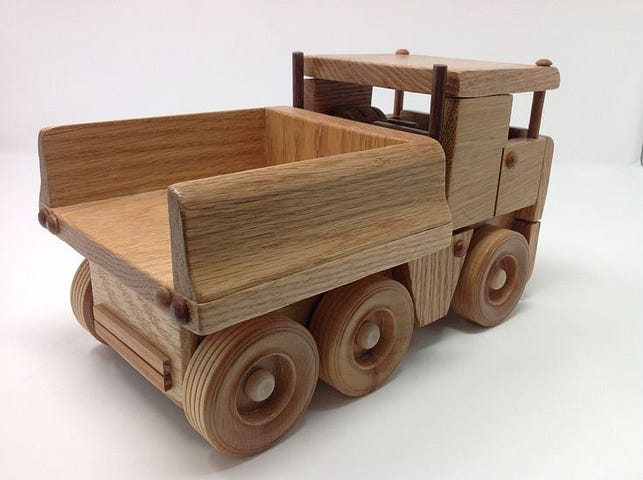
Crafting Sustainable Wooden Toys: A Guide to Eco-Friendly Production
In an era marked by growing environmental consciousness, the quest for sustainable and eco-friendly practices extends to all facets of our lives, including the toys we provide our children. Wooden toys, with their natural origins and enduring quality, offer a compelling alternative to plastic and mass-produced counterparts. However, the journey to truly sustainable wooden toys necessitates a mindful approach throughout the entire production process, from sourcing materials to packaging and disposal.
Choosing Sustainable Wood Sources
The foundation of eco-friendly wooden toys lies in the selection of sustainably harvested wood. This ensures that the wood comes from responsibly managed forests that prioritize long-term ecological health and biodiversity.
Understanding Sustainable Forestry Practices
Sustainable forestry adheres to rigorous principles that balance wood harvesting with forest conservation. Key aspects include:
- Selective logging: This practice involves removing only mature trees, leaving younger trees to grow and ensuring forest regeneration.
- Forest conservation: Preserving critical habitats, water sources, and biodiversity within forest ecosystems.
- Reforestation: Planting new trees to compensate for those harvested, contributing to forest restoration.
- Certification: Seeking certification from reputable organizations like the Forest Stewardship Council (FSC) or the Programme for the Endorsement of Forest Certification (PEFC), which guarantee responsible forestry practices.
Identifying Sustainable Wood Species
Beyond sustainable forestry, choosing wood species with specific characteristics is crucial. Consider these factors:
- Durability: Selecting hardwoods known for their strength and resistance to wear and tear, ensuring the toy's longevity.
- Workability: Choosing wood that can be easily shaped and carved, facilitating efficient production and minimizing waste.
- Non-toxicity: Opting for wood species naturally free from toxins or harmful chemicals that could pose risks to children.
Embracing Eco-Friendly Production Methods
Once sustainable wood is sourced, the production process itself plays a vital role in maintaining the environmental integrity of wooden toys.
Minimizing Waste and Maximizing Resource Efficiency
Sustainable toy manufacturers strive to minimize waste throughout production. This involves:
- Precision cutting: Employing precise cutting techniques to minimize wood scraps and optimize material utilization.
- Waste recycling: Recycling wood scraps and sawdust for other purposes, such as making compost or biomass fuel.
- Efficient design: Designing toys that maximize functionality and minimize the use of unnecessary materials.
Using Non-Toxic Finishes and Paints
The finishes and paints applied to wooden toys directly impact children's health. Sustainable manufacturers prioritize:
- Water-based finishes: Choosing water-based paints and finishes that are low in volatile organic compounds (VOCs) and non-toxic for children.
- Natural pigments: Using natural pigments derived from plants and minerals to create vibrant colors without harmful chemicals.
- Non-lead paints: Ensuring paints are lead-free, as lead is a known neurotoxin that can harm children's development.
Packaging and Transportation
Even after production, the packaging and transportation of wooden toys can influence their environmental footprint. Sustainable practices include:
Minimizing Packaging Materials
Sustainable packaging prioritizes reducing the amount of materials used. This involves:
- Using recycled cardboard: Opting for cardboard made from recycled materials, minimizing the need for virgin fibers.
- Avoiding plastic packaging: Substituting plastic wrap and bags with biodegradable alternatives like paper or cornstarch-based materials.
- Minimizing packaging size: Designing packaging that fits the toy snugly, reducing wasted space and shipping weight.
Prioritizing Local Production and Distribution
Local production and distribution help reduce the carbon footprint associated with transportation. This involves:
- Sourcing materials locally: Finding wood suppliers and other production partners within a reasonable proximity to minimize shipping distances.
- Supporting local businesses: Choosing local manufacturers and retailers to reduce transportation needs and boost the local economy.
The Importance of Durability and Repair
Sustainable wooden toys are designed to last for generations. This durability promotes both environmental and economic sustainability:
Investing in Long-lasting Quality
High-quality, well-crafted wooden toys can withstand years of use and even be passed down to future generations, reducing the need for constant replacements.
Encouraging Repair and Restoration
Promoting the repair and restoration of wooden toys extends their lifespan and reduces waste. This involves:
- Providing repair instructions: Offering clear instructions and resources for common repairs, empowering parents to fix minor issues.
- Encouraging creativity: Encouraging children to engage in imaginative play and repair activities, fostering a connection with the toy and extending its life.
Beyond the Toy: Sustainable Lifestyle Choices
Choosing sustainable wooden toys is just one step towards a more eco-friendly lifestyle. Further considerations include:
- Reducing overall consumption: Being mindful of the number of toys purchased and prioritizing quality over quantity.
- Encouraging imaginative play: Focusing on open-ended toys that promote creativity and imagination rather than electronic or highly structured toys.
- Sharing and borrowing toys: Joining toy libraries or lending toys among friends and family to minimize individual purchases.
Creating sustainable wooden toys requires a commitment to responsible sourcing, eco-friendly production methods, and a focus on durability and repair. By embracing these principles, we can provide children with safe, enjoyable, and environmentally conscious toys that foster both their development and a respect for our planet.


0 comments:
Post a Comment
Note: Only a member of this blog may post a comment.