


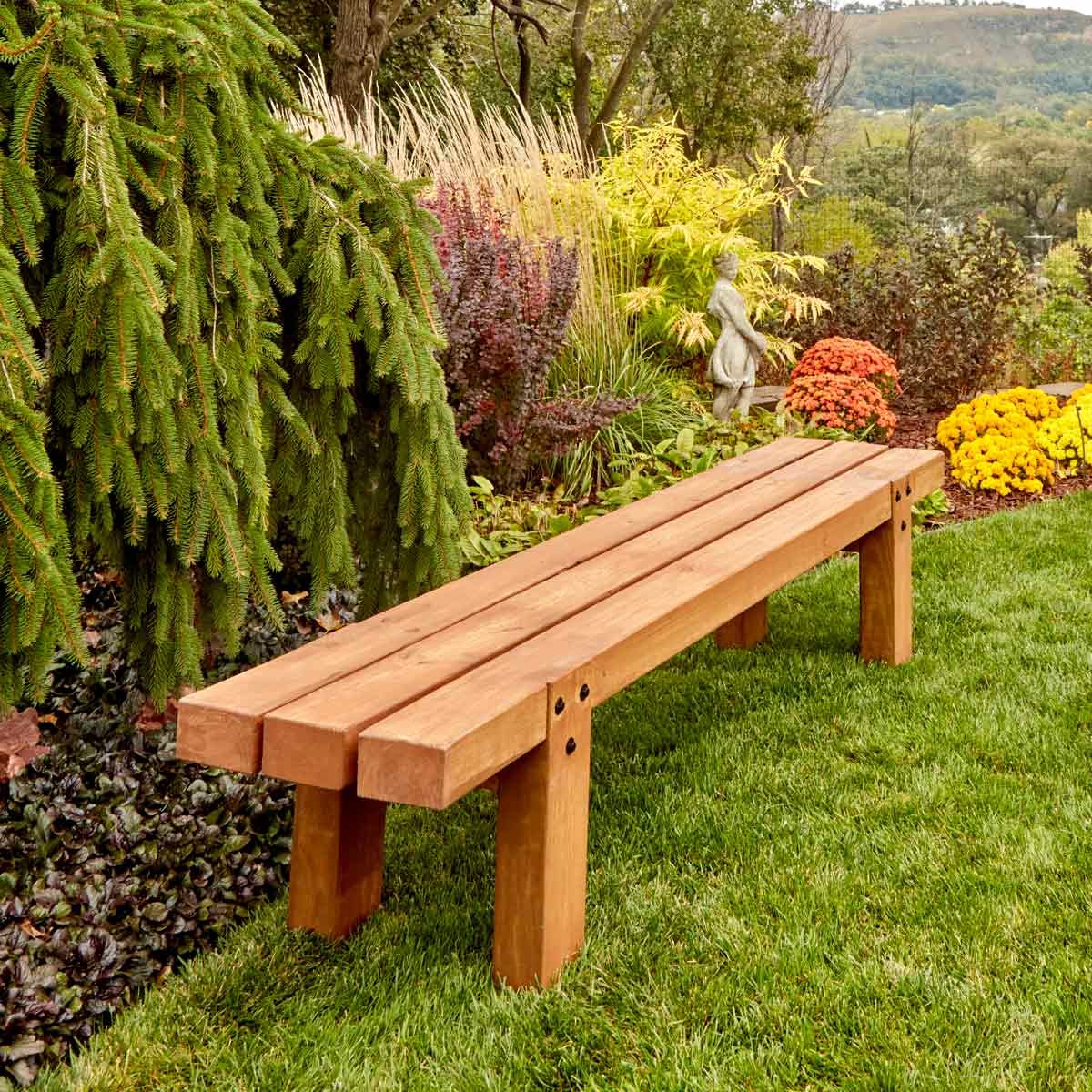
Building a Farmhouse or Industrial Style Wooden Bench: A Comprehensive Guide
A wooden bench is a versatile piece of furniture that can enhance any space, from a cozy living room to a welcoming porch. This guide provides a comprehensive breakdown of how to build a wooden bench with either a rustic farmhouse or a sleek industrial style. By following these steps, you can craft a custom piece that reflects your personal taste and complements your existing decor.
Choosing Your Style: Farmhouse vs. Industrial
The first step is to decide on the overall aesthetic for your bench. While both farmhouse and industrial styles offer a unique charm, their distinct characteristics will influence your material choices and design elements.
Farmhouse Style Bench
A farmhouse style bench evokes a sense of warmth and comfort. It often features:
- Natural Wood Finishes: Unpainted or lightly stained wood allows the natural grain patterns to shine through.
- Distressed Wood: Reclaimed or distressed wood adds a touch of rustic charm.
- Simple Design: Clean lines and minimal embellishments are key.
- Rustic Hardware: Black or galvanized metal brackets, screws, and hinges are common elements.
Industrial Style Bench
An industrial style bench exudes a modern, urban vibe. It typically incorporates:
- Metal Accents: Steel, iron, or exposed piping adds a contemporary feel.
- Dark Stains: Rich, dark wood stains create a bold contrast with metal accents.
- Geometric Shapes: Straight lines and sharp angles are prevalent.
- Bold Hardware: Exposed bolts, rivets, and heavy-duty hinges enhance the industrial aesthetic.
Materials and Tools
Once you've settled on a style, gather the necessary materials and tools. Here's a comprehensive list:
Materials
- Lumber: 2x4s, 2x6s, or 2x8s for the frame, depending on the desired bench size and strength.
- Plywood or Solid Wood Boards: For the seat and backrest, depending on your preference.
- Metal Brackets or Legs: For an industrial style, consider using steel or iron brackets or pipe legs. For a farmhouse style, galvanized metal brackets or wooden legs are suitable.
- Hardware: Screws, nails, bolts, nuts, washers, hinges (for a backrest), and other fasteners.
- Wood Stain or Paint: Choose a finish that complements your chosen style.
- Sandpaper: Various grits for sanding the wood.
- Wood Filler: To fill any imperfections in the wood.
- Protective Finish: Polyurethane or varnish to seal and protect the wood.
Tools
- Circular Saw or Miter Saw: To cut lumber to size.
- Drill: For driving screws and pilot holes.
- Measuring Tape and Level: For accurate measurements and straight cuts.
- Clamps: To hold pieces together during assembly.
- Safety Glasses and Ear Protection: For eye and ear protection.
- Sanding Block or Sander: For smoothing the wood.
- Paintbrush or Roller: For applying stain or paint.
Building the Bench Frame
Start by constructing the sturdy foundation of your bench:
Cutting the Lumber
- Measure and cut: Based on your desired bench dimensions, carefully measure and cut the lumber for the frame using a saw. Remember to account for the thickness of the wood when determining the overall dimensions.
- Smooth the edges: Sand all cut edges with sandpaper to prevent splinters and ensure a smooth finish.
Assembling the Frame
- Create the base: For a traditional bench, construct a rectangular frame using two long pieces for the sides and two shorter pieces for the ends. Join these pieces together using wood glue and screws. For a more elaborate design, consider adding additional supports to enhance stability.
- Add the legs or brackets: Attach the metal brackets or wooden legs to the base frame, ensuring they are securely fastened. The placement of the legs or brackets will determine the overall height of the bench.
- Check for stability: Once the frame is assembled, double-check for stability and adjust as necessary.
Creating the Seat and Backrest
The seat and backrest are the defining features of your bench. Here's how to build them:
Seat Construction
- Choose your material: You can opt for solid wood planks, plywood, or even repurposed materials like pallet wood for a unique look. Ensure the chosen material is strong enough to support weight.
- Measure and cut: Carefully measure the length and width of the seat and cut the material accordingly. Leave a slight overhang for a more comfortable seating experience.
- Attach the seat: Secure the seat to the frame using screws or nails. For a sturdy attachment, predrill pilot holes before driving in the fasteners. Consider using wood glue for additional bonding strength.
Backrest Construction (Optional)
- Design your backrest: You can choose a simple straight backrest or opt for a curved design for added comfort. A backrest is particularly useful for a longer bench.
- Create the backrest frame: Use lumber or plywood to construct the desired backrest shape. Ensure it's secured with screws or nails to the frame.
- Attach the backrest panel: Similar to the seat, attach the backrest panel to the frame using screws or nails. For a more seamless look, use a hidden hinge system.
Finishing Touches
Once your bench is assembled, it's time to add the finishing touches that will give it character and personality.
Sanding and Preparing for Finish
- Smooth the surfaces: Thoroughly sand all surfaces with sandpaper, progressing through different grits for a smooth and even finish.
- Fill imperfections: If necessary, use wood filler to fill any holes, cracks, or imperfections in the wood. Allow the filler to dry completely before sanding it smooth.
Applying Stain or Paint
- Choose your finish: Select a wood stain or paint that complements your chosen style. For a farmhouse style, consider a natural wood stain or a light-colored paint. For an industrial style, opt for a dark wood stain or a metallic paint.
- Apply the finish: Follow the manufacturer's instructions for applying the stain or paint. Use a brush or roller for even coverage. Allow the finish to dry completely before applying a second coat if desired.
Protecting the Finish
- Apply a sealant: Apply a protective finish like polyurethane or varnish to seal and protect the wood from spills, stains, and wear and tear. Follow the manufacturer's instructions for application and drying time.
Additional Tips and Design Ideas
Here are some additional tips and design ideas to customize your bench:
- Upcycle Materials: Consider using reclaimed wood, pallet wood, or even old doors to create a unique and eco-friendly bench.
- Add Cushions: Add comfort and style by using fabric cushions or seat pads.
- Decorate with Metal Accents: For an industrial style, incorporate metal accents like pipes, bolts, or rivets into the design. For a farmhouse style, use rustic metal brackets or handles.
- Add Storage: Create a storage bench by incorporating shelves or drawers underneath the seat.
Conclusion
Building a wooden bench with a farmhouse or industrial style is a rewarding project that allows you to express your creativity and create a custom piece that complements your home. By following these detailed steps, you can craft a beautiful and functional bench that will be a treasured part of your home for years to come. Remember, with some patience, care, and attention to detail, you can transform your vision into a stunning reality.


0 comments:
Post a Comment
Note: Only a member of this blog may post a comment.