Ideas and detailed plans for designing and crafting beautiful wood decor and practical items for the home.

Wednesday, November 20, 2024

The Ultimate Guide to Using Dado Blades in Woodworking

The Ultimate Guide to Using Dado Blades in Woodworking

The Ultimate Guide to Using Dado Blades in Woodworking

Dado blades are essential tools for any serious woodworker. These specialized saw blades allow you to create precise grooves, or dados, in wood, opening up a world of possibilities for construction, joinery, and decorative work. Whether you're building cabinets, shelves, or simply adding intricate details to your projects, understanding how to use dado blades effectively is crucial. This comprehensive guide will equip you with the knowledge and techniques to confidently incorporate dado blades into your woodworking endeavors.

Understanding Dado Blades

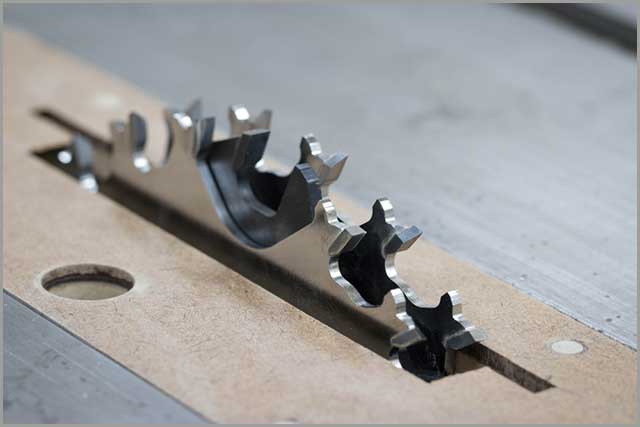
A dado blade is essentially a stack of thin, circular saw blades mounted on a common arbor. Each blade has teeth designed for specific cutting functions, and the combined configuration creates a groove of a predetermined width and depth. The most common type of dado blade is a "stack" blade, where the individual blades can be rearranged to achieve different groove sizes. Some blades come pre-configured with specific groove widths.

The Benefits of Using Dado Blades

Dado blades offer several advantages over traditional methods like routering or hand-cutting grooves:

  • Precision and Accuracy: Dado blades create perfectly straight and uniform grooves, ensuring tight-fitting joints and a professional finish.
  • Speed and Efficiency: Cutting dados with a dado blade is significantly faster than other methods, especially for larger projects requiring numerous grooves.
  • Versatility: With their ability to adjust blade spacing and configuration, dado blades offer immense versatility in creating various groove sizes, shapes, and depths.
  • Safety: When used correctly, dado blades provide a safer alternative to using a router, minimizing the risk of kickback or other accidents.

Setting Up Your Dado Blade

Before you start cutting, it's essential to set up your dado blade correctly. This involves choosing the right blade for your project and adjusting the blade spacing to create the desired groove width. Here's a step-by-step guide:

Choosing the Right Blade

Dado blade sets are available in various sizes and tooth configurations. Consider the following factors when selecting a blade:

  • Groove Width: Determine the width of the groove you need to cut. Most sets offer a range of groove widths, but you may need specific blade configurations for wider dados.
  • Tooth Count and Configuration: The tooth count and arrangement affect the cutting speed and finish. A higher tooth count provides a smoother finish but may cut slower. Consider the type of wood you're working with and the desired outcome.
  • Arbor Size: Ensure the blade's arbor size matches your table saw. Most dado blades use a 5/8-inch arbor.

Adjusting Blade Spacing

Once you have your blade, it's time to adjust the spacing to create the desired groove width. This involves carefully positioning the individual blades within the stack.

  • Start with a Narrow Setting: Begin by setting the blades close together to create a narrow groove.
  • Use Shims: Use thin shims, like those made from paper or thin cardboard, to carefully increase the spacing between the blades.
  • Measure and Adjust: Measure the width of the groove after each adjustment. Continue adding shims until you reach the desired groove width.
  • Secure the Blades: Once the blades are positioned correctly, tighten the locking collars securely to prevent movement during cutting.

Cutting Dados with a Dado Blade

With your dado blade set up correctly, you're ready to create those grooves! Follow these steps to ensure safe and precise cuts:

Safety First

Using a dado blade requires extra caution due to the increased cutting depth and potential for kickback. Always prioritize safety by following these guidelines:

  • Use Safety Glasses: Protect your eyes from flying debris.
  • Secure the Workpiece: Use a push stick or feather board to guide the wood securely through the blade.
  • Start Slowly: Begin cutting at a slow feed rate, gradually increasing the speed as you become comfortable.
  • Never Reach Over the Blade: Keep your hands and fingers away from the blade's path.
  • Use a Blade Guard: If your table saw has a blade guard, make sure it's in place during operation.

Cutting the Dado

Now, let's cut that dado!

  • Mark the Cut Line: Use a pencil to mark the precise location for your dado on the workpiece.
  • Make a Test Cut: Before cutting the full depth, make a shallow test cut to ensure the blade is properly aligned and the groove width is correct.
  • Cut in Stages: Cut the dado in multiple passes, gradually increasing the depth until you reach the desired measurement.
  • Support the Workpiece: Use a fence or a support board to provide stability to the workpiece, especially when cutting dados near the edge of the wood.
  • Clean Up: Once the dado is cut, use a chisel or a scraper to remove any burrs or imperfections from the groove.

Tips and Techniques for Using Dado Blades

Here are some additional tips to maximize your success and achieve professional-quality dados:

  • Blade Maintenance: Regularly inspect your dado blades for any signs of wear or damage. Replace worn blades promptly for optimal performance and safety.
  • Cutting Plywood: When cutting dados in plywood, avoid exceeding the depth of the top layer. This ensures a clean cut and prevents splintering.
  • Creating Rabbets: Dado blades can also be used to create rabbets, which are rectangular grooves along the edge of a workpiece. By using a dado blade with a wider cutting capacity, you can create rabbets for various applications.
  • Experimentation: Don't be afraid to experiment with different dado blade configurations and cutting techniques to achieve unique results.

Conclusion

Dado blades are powerful tools that can unlock a wide range of woodworking possibilities. By understanding their operation, mastering setup techniques, and prioritizing safety, you can confidently create precise grooves and elevate your woodworking projects to new heights. Embrace the versatility of dado blades, and let your imagination guide you to create stunning and functional woodworking masterpieces.

Share:

Tuesday, November 19, 2024

Popular Wine Rack Woodworking Projects That Always Sell

Popular Wine Rack Woodworking Projects That Always Sell

Popular Wine Rack Woodworking Projects That Always Sell

Hey there, fellow woodworking enthusiasts! Looking to create some awesome projects that are guaranteed to sell? Look no further than wine racks! They're a classic, always in demand, and offer a ton of creative freedom. Let's dive into some popular wine rack woodworking projects that will have you turning a profit in no time.

Classic Wine Rack Designs

Let's start with the basics, the tried-and-true designs that never go out of style. These are perfect for beginners and seasoned woodworkers alike.

The Simple Wall-Mounted Rack

This is a great beginner project. It's easy to build, requires minimal materials, and can be customized with different wood species and finishes. Just a few pieces of wood, some screws, and you're good to go!

  • Easy to Build: This rack is perfect for beginners. It uses simple cuts and joinery techniques, making it a great project to practice your skills.
  • Versatile: You can adjust the size and number of shelves to fit any space, making it ideal for different wine collections.
  • Economical: This project uses minimal materials, making it a cost-effective choice.
  • The Traditional Bottle-Shaped Rack

    A classic for a reason! This rack is shaped like a wine bottle, adding a unique touch to any room. It can be made using various methods like dovetail joints or simple dado cuts, depending on your skill level.

  • Unique Design: It's a fun and interesting way to store wine, sure to catch the eye.
  • Can be Customized: You can adjust the bottle shape, size, and add decorative elements to create a unique piece.
  • Great Gift Idea: This rack is a great gift for wine lovers, adding a personalized touch.
  • Modern Wine Rack Designs

    Want to create something a little more contemporary? These modern designs are sure to impress your customers.

    The Sleek Metal & Wood Rack

    Combine the warmth of wood with the sleekness of metal for a truly modern look. You can use steel rods or brackets for a minimalist aesthetic, or experiment with different metal finishes like brass or copper for a touch of luxury.

  • Industrial Chic: This rack embodies the popular industrial design trend, perfect for modern interiors.
  • Durable & Stylish: The combination of metal and wood adds both strength and visual appeal.
  • Unique & Customizable: Experiment with different metal types, wood species, and finishes to create a truly unique piece.
  • The Geometric Wine Rack

    Embrace bold angles and geometric shapes for a modern, eye-catching design. This rack can be made with various materials, including wood, metal, or even acrylic, allowing for a range of styles and price points.

  • Bold & Statement-Making: This rack will be a conversation starter, making it a great choice for those who appreciate unique designs.
  • Versatile: This design can be adapted to different spaces and wine collection sizes, making it practical and stylish.
  • Modern & Minimalist: The clean lines and geometric shapes create a minimalist aesthetic that's perfect for modern homes.
  • Beyond the Basics: Creative Wine Rack Ideas

    Ready to push the boundaries? Let's explore some creative ideas that will help your wine racks stand out from the crowd.

    The Hanging Wine Rack

    A great space-saving solution! This rack can be hung on a wall or from the ceiling, making it perfect for smaller spaces or for adding a decorative touch to a dining room or kitchen.

  • Unique & Space-Saving: This rack is perfect for smaller spaces or adding a decorative touch to a room.
  • Easy to Install: It can be installed easily, making it a great option for DIY enthusiasts.
  • Versatility: This design can be customized with different shapes, sizes, and materials.
  • The Wine Rack & Bar Cart Combo

    Combine functionality with style by creating a wine rack that also doubles as a bar cart. You can add storage compartments, shelves, or even a built-in ice bucket for a complete entertaining experience.

  • Practical & Stylish: This rack is perfect for entertaining, combining storage and display functionality.
  • Customizable: You can design the cart and rack to fit any style and space.
  • Great for Home Bars: This is a perfect piece for home bars, adding both style and functionality.
  • Tips for Success: Making Your Wine Racks Sell

    Now that you've got some great wine rack ideas, let's talk about what it takes to make them fly off the shelves (or website).

  • Know Your Target Audience: Who are you selling to? Do they prefer classic designs or something more contemporary? What's their budget?
  • Showcase Your Work: Take high-quality photos of your finished racks in various settings, highlighting their features and style.
  • Price Competitively: Research similar products and price your racks accordingly, factoring in your time, materials, and profit margin.
  • Offer Customization: Consider offering customers the option to personalize their racks with different wood species, finishes, or sizes.
  • Promote Your Work: Share your creations on social media, participate in local craft fairs, or set up an online store.
  • Commonly Asked Questions

    Here are some questions you might have about woodworking wine racks:

    What kind of wood is best for wine racks?

    Hardwoods like oak, maple, walnut, and cherry are popular choices due to their durability and beautiful grain patterns. Softwoods like pine or cedar can be used as well, but they might not be as sturdy and can be prone to scratching.

    What kind of finish should I use for my wine rack?

    Consider the style you're aiming for. For a natural look, use a clear oil or wax finish. For a more protective finish, use a polyurethane or varnish.

    Where can I sell my wine racks?

    You can sell your wine racks online through Etsy, Facebook Marketplace, or your own website. You can also sell them at local craft fairs, antique shops, or furniture stores.

    Remember, the key to success is to create high-quality, well-designed wine racks that appeal to your target audience. So, get those tools ready, gather your materials, and start creating some amazing wine racks!

    Share:

    Wooden Shoe Rack Ideas for Large Families and Shoe Lovers

    Wooden Shoe Rack Ideas for Large Families and Shoe Lovers

    Wooden Shoe Rack Ideas for Large Families and Shoe Lovers

    In a home brimming with activity, a well-organized shoe storage solution is paramount, particularly for large families and footwear enthusiasts. A wooden shoe rack offers a blend of durability, style, and practicality, becoming a focal point in your entryway. Let's delve into some inspiring wooden shoe rack ideas that cater to both functionality and aesthetic appeal.

    Embrace the Classic Tiered Design

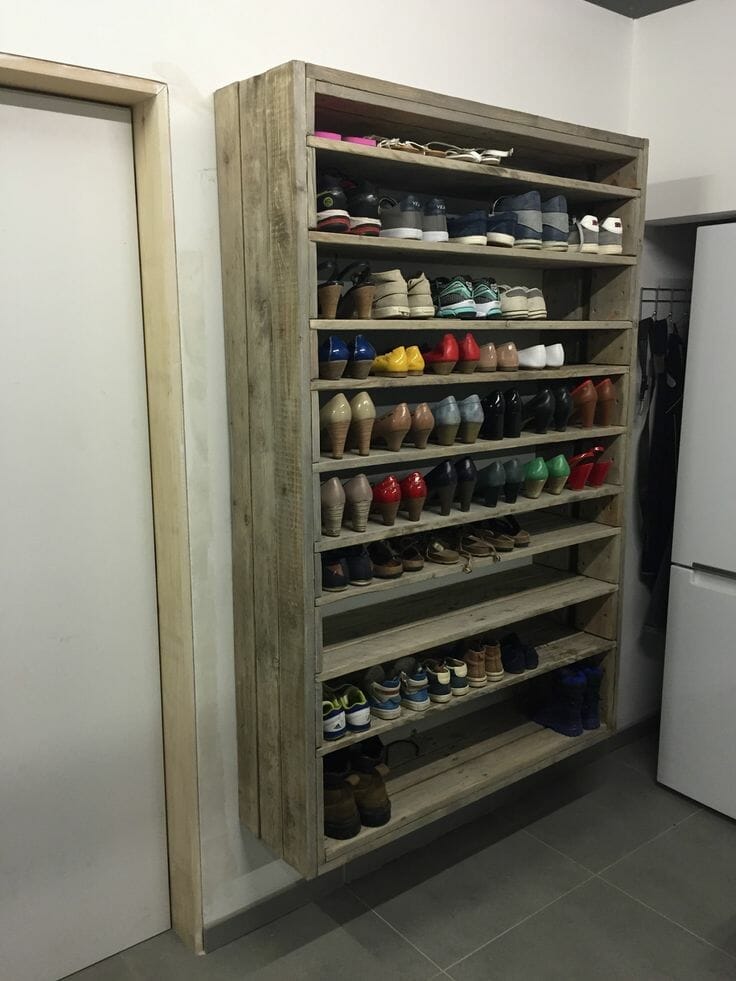
    A tiered wooden shoe rack is a timeless choice. Its simple design features multiple levels, providing ample space for storing an array of footwear. You can choose from compact, narrow designs for smaller entryways, or opt for expansive, multi-tiered racks that accommodate an extensive shoe collection. The tiers can be arranged in a vertical or horizontal orientation, depending on your space constraints.

    Personalize with Finishes and Styles

    Add a touch of your unique style by selecting from a range of wood finishes. Rustic reclaimed wood adds warmth and character, while sleek, modern wood finishes create a contemporary vibe. You can also consider incorporating additional elements like metal accents for a touch of industrial chic, or decorative hardware for a vintage touch.

    Open Shelving for Easy Access

    For quick and convenient shoe retrieval, open shelving provides an excellent solution. These racks offer a minimalist design, keeping your entryway clutter-free. Consider using shelves of varying depths to accommodate different shoe sizes, from delicate ballet flats to bulky boots.

    Maximizing Vertical Space

    Make the most of your vertical space by installing open shelves that stretch high up the wall. This approach not only keeps shoes off the floor but also creates a visually appealing display of your footwear collection. For added functionality, you can incorporate baskets or boxes to store smaller items like shoe polish or shoe horns.

    The Versatility of a Shoe Cabinet

    A wooden shoe cabinet offers a blend of storage and aesthetic appeal. Choose from cabinets with sliding doors, hinged doors, or even open shelves, depending on your preference. Cabinets with doors keep your footwear hidden, maintaining a tidy appearance, while open shelves provide easy access to your favorite shoes.

    Features to Consider

    Some shoe cabinets incorporate additional features like a built-in shoe bench or a mirror, maximizing functionality. Consider adding compartments for shoe accessories or incorporating a small drawer for organizing cleaning supplies.

    Custom-Built Shoe Racks

    For a truly unique and personalized solution, consider a custom-built wooden shoe rack. This allows you to tailor the design to your specific needs, including the size, configuration, and desired finishes. You can incorporate features like built-in storage for bags, hats, or scarves. With a custom-built rack, the possibilities are endless!

    Working with a Craftsman

    Collaborate with a skilled craftsman to bring your vision to life. Provide them with measurements, materials, and design preferences to create a shoe rack that perfectly complements your home.

    Tips for Choosing the Right Wooden Shoe Rack

    Before embarking on your shoe rack journey, consider these factors:

    • Space Availability: Measure the available space in your entryway, considering both width and height.
    • Shoe Collection Size: Determine the number of pairs you need to accommodate, allowing for future growth.
    • Style and Aesthetics: Consider the overall design of your home and choose a rack that complements the existing décor.
    • Budget: Set a budget and explore options that fit your financial constraints.

    With a carefully chosen wooden shoe rack, you can bring both order and style to your home, making life easier for large families and shoe lovers alike.

    Share:

    Monday, November 18, 2024

    Christmas-Themed Woodworking Projects for the Holidays

    Christmas-Themed Woodworking Projects for the Holidays

    Christmas-Themed Woodworking Projects for the Holidays

    As the festive season approaches, the air fills with the scent of pine, the twinkle of lights, and the warmth of togetherness. What better way to celebrate the spirit of Christmas than by crafting beautiful and unique woodworking projects that will bring joy and cheer to your home and loved ones? From classic ornaments to elaborate decorations, this guide will inspire you to unleash your inner craftsman and create lasting holiday memories.

    Classic Christmas Ornaments

    A timeless tradition, creating handmade ornaments is a delightful way to personalize your Christmas tree and share the magic of the season. With simple tools and readily available materials, you can craft a range of festive designs:

    Wooden Santas and Reindeer

    Carve simple silhouettes of Santa Claus, reindeer, and other iconic Christmas figures from thin plywood or softwood. Paint them with vibrant colors, add details like buttons and eyes, and thread a ribbon for hanging.

    Ornamental Wooden Stars

    Cut out star shapes from thin wood, using a scroll saw or jigsaw. Paint them with metallic gold or silver, or leave them natural for a rustic touch. Add a touch of sparkle with glitter or sequins.

    Painted Wooden Balls

    Round wooden balls, available in craft stores, can be transformed into charming ornaments. Paint them in festive colors, create patterns with stencils, or use decoupage to add holiday images.

    Wooden Advent Calendars

    An advent calendar is a cherished tradition that counts down the days to Christmas. A wooden advent calendar adds a touch of rustic charm and can be personalized with your family's favorite motifs:

    Traditional Advent Calendar with Doors

    Create a rectangular wooden frame and attach small wooden doors to each day's compartment. Paint or stain the frame and doors, and decorate with numbers and festive imagery.

    Sliding Drawer Advent Calendar

    Construct a wooden box with individual drawers for each day. Design the drawers to slide open, revealing a small treat or activity behind each one.

    Advent Calendar Tree

    Build a miniature Christmas tree from wood, and attach small wooden boxes or pouches to its branches. Number each box and fill them with small gifts or candies.

    Wooden Christmas Decorations

    Beyond ornaments and calendars, there are numerous other decorative projects that bring warmth and personality to your holiday decor:

    Wooden Christmas Tree Stand

    Craft a sturdy and elegant stand for your Christmas tree using sturdy hardwoods like oak or maple. Add a touch of rustic charm with a natural finish, or paint it in a festive color.

    Wooden Christmas Village

    Create a miniature Christmas village using wooden houses, churches, and other structures. Paint them with vibrant colors and add details like lights, snow, and tiny figures.

    Wooden Christmas Wreath

    Construct a base for a wreath using a circular piece of plywood or wooden dowels. Attach evergreen branches, pine cones, and other festive greenery to create a classic Christmas wreath.

    Functional Wooden Gifts

    Give the gift of handmade craftsmanship with functional woodworking projects that are both practical and beautiful:

    Wooden Serving Tray

    Design and build a beautiful serving tray using hardwoods like walnut or cherry. Finish it with a natural oil or wax for a polished look.

    Wooden Wine Rack

    Create a custom wine rack using plywood and dowels, designed to hold bottles in a decorative and efficient manner.

    Wooden Jewelry Box

    Craft a beautiful and practical jewelry box using fine-grained woods like maple or birch. Add a decorative lid with a carved design or inlay.

    Safety and Tips for Woodworking

    Safety is paramount when working with wood. Here are a few essential tips to keep in mind:

    • Always wear eye protection, dust masks, and hearing protection when operating woodworking machinery.
    • Use appropriate tools and techniques for each project and material.
    • Work in a well-ventilated area, free from distractions.
    • Keep work surfaces clean and organized.
    • Never operate machinery while tired or under the influence of alcohol or drugs.

    With careful planning, creativity, and the joy of craftsmanship, you can create beautiful and meaningful woodworking projects that will make this Christmas truly special.

    Share:

    Friday, November 15, 2024

    How to Create Attractive Cutting Boards for Sale

    How to Create Attractive Cutting Boards for Sale

    Crafting Cutting Boards That'll Sell Like Hotcakes: A Guide to Success

    Hey there, fellow woodworker! If you're looking to create stunning cutting boards that'll fly off the shelves (or online marketplace!), you've come to the right place. This guide is packed with tips and tricks to help you craft cutting boards that are not only functional but also eye-catching and, most importantly, desirable to buyers.

    Choosing the Right Wood: It's All About the Character

    Let's face it, wood is the star of the show when it comes to cutting boards. So, picking the right wood is super important. But, with so many choices, how do you know which ones will work best?

    Hardwoods: Durability and Elegance

    Hardwoods are your go-to for cutting boards because they're tough, scratch-resistant, and can stand up to regular use. Here are some popular options:

    • Maple: A classic choice, maple is known for its beautiful grain pattern and its ability to resist stains and odors.
    • Walnut: This rich, dark wood is a stunner. It's strong and durable, and its beautiful grain makes it a premium option.
    • Cherry: Cherry wood has a warm, reddish hue that darkens over time. It's known for its smooth texture and pleasant scent.
    • Hardwood Mixes: A mix of woods can be super cool, like cherry and walnut. The different colours and grains create a unique look.

    Softwoods: Budget-Friendly and Beautiful

    Softwoods are a good option if you're looking for a budget-friendly choice. They might not be as hard-wearing as hardwoods, but they're still great for everyday use.

    • Pine: This softwood is lightweight and easy to work with. Its knots and grain patterns add character to your cutting board.
    • Cedar: Cedar has a lovely aroma and natural insect-repelling properties. Keep in mind, it's a softer wood, so it's best used for lighter tasks.

    Design and Functionality: The Art of the Board

    Now that you've chosen your wood, let's move on to the design. This is where you can let your creativity shine!

    Size Matters:

    Consider the intended use of the board. Do you want a small one for cheese and charcuterie, a medium-sized one for daily slicing and dicing, or a large board for serving?

    Shape It Up:

    You can go with classic rectangular shapes or experiment with more unique forms. Some popular options are:

    • Rounded Corners: More modern, safer for kids.
    • Beveled Edges: A nice touch for adding a bit of elegance.
    • Unique Shapes: A heart shape, a fish shape, or anything that appeals to you!

    Add Some Flair:

    • Hand-Carved Details: If you're feeling adventurous, try carving in some intricate patterns or even a logo.
    • Inlays: Add a touch of elegance with contrasting wood inlays to create designs, lines, or even names.
    • Edge Treatments: You can leave the edges natural or add a touch of refinement with chamfered or rounded edges.

    Crafting Cutting Boards: Tools and Techniques

    Now that you've got your design sorted, let's talk about the tools and techniques you'll need to bring your vision to life.

    Tools of the Trade:

    • Table Saw: Essential for cutting boards to size.
    • Jointer: Smooths and straightens the edges of your wood boards.
    • Planer: Creates consistent thickness for your cutting board.
    • Router: Used to create profiles, edges, and intricate designs.
    • Hand-held Sander: For smoothing and refining the surfaces of your cutting board.
    • Drill Press: Used for precise drilling, especially for adding handles.
    • Clamps: Essential for holding pieces together while you're glueing or assembling.

    Building Your Cutting Board:

    The process can vary slightly depending on your design, but here's a general outline:

    • Prepare the Wood: Cut the wood to the size you need. Make sure the edges are square and smooth.
    • Jointing: Join the wood boards together to create the desired thickness and width.
    • Gluing: Use a strong wood glue to join the wood pieces together.
    • Clamping: Use clamps to hold the pieces together while the glue dries.
    • Sanding: Sand the surface of your cutting board to a smooth finish.
    • Finishing Touches: Apply a food-safe finish to protect your cutting board from moisture, stains, and bacteria.

    Marketing Your Cutting Boards:

    Now that you've created some stunning cutting boards, it's time to get them in front of potential buyers.

    Show Off Your Work:

    • High-Quality Photography: Use natural lighting and a simple background to showcase the beauty of your wood and craftsmanship.
    • Detailed Product Descriptions: Include information about the wood type, dimensions, care instructions, and any unique features.
    • Online Marketplaces: Etsy, Amazon Handmade, and other online platforms are great ways to reach a wider audience.
    • Social Media: Instagram, Pinterest, and Facebook are powerful platforms for showcasing your creations and building a following.
    • Local Markets and Craft Shows: Directly connect with customers and showcase your work in person.

    Frequently Asked Questions:

    What is the best wood for cutting boards?

    Hardwoods like maple, walnut, and cherry are the most durable and commonly used for cutting boards.

    What kind of finish should I use?

    Use a food-safe finish like mineral oil, beeswax, or a food-grade polyurethane.

    How do I care for my cutting board?

    Wash your cutting board with warm, soapy water and dry it thoroughly after each use.

    What are some unique cutting board designs?

    Get creative! Try adding inlays, carving designs, or creating unique shapes like hearts or fish.

    Remember, creating beautiful cutting boards takes time, practice, and a passion for woodworking. Don't be afraid to experiment, and have fun with the process! Good luck!

    Share:

    How to Build a Vintage-Style Wood Toolbox Organizer

    How to Build a Vintage-Style Wood Toolbox Organizer

    Building a Vintage-Style Wood Toolbox Organizer

    Whether you're a seasoned craftsman or just starting out, a well-organized toolbox is essential. A vintage-style wood toolbox organizer not only provides a functional storage solution but also adds a touch of charm and character to your workspace. This article will guide you through the process of building your own unique vintage-style organizer, complete with detailed steps and tips for achieving that rustic, timeless look.

    Gathering Your Materials

    Before you begin, gather the necessary materials. Choose wood that suits your desired aesthetic. Reclaimed wood or salvaged lumber offers a unique character and adds to the vintage feel. If you prefer a cleaner look, consider using new pine or cedar. Here's a list of essential materials:

    • Wood planks (size depends on the organizer's dimensions)
    • Wood glue
    • Wood screws (various sizes)
    • Finishing nails
    • Sandpaper (various grits)
    • Wood stain (optional)
    • Polyurethane sealant (optional)
    • Hardware (hinges, handles, dividers)
    • Measuring tape
    • Pencil
    • Saw (circular saw, jigsaw, or hand saw)
    • Drill
    • Clamps
    • Safety glasses
    • Dust mask

    Designing Your Toolbox Organizer

    Take time to visualize your organizer. Consider its size, shape, and the compartments you need. Draw a simple sketch or use a design software to plan the layout. For a classic vintage look, opt for a rectangular or square shape with a hinged lid. Determine the depth of the compartments, allowing enough space for your tools.

    Planning the Compartments

    Think about the tools you'll be storing. Plan the number and size of compartments based on your tools' dimensions. Consider including dividers for smaller items and a larger section for bulky tools. Keep in mind the overall design and balance of your organizer.

    Building the Toolbox Organizer

    Now it's time to build your organizer. Follow these steps:

    Cut the Wood

    Using your saw, cut the wood planks to the exact dimensions you planned. Make sure your cuts are precise for a clean and sturdy build. Cut the sides, bottom, and lid of your organizer. If you're creating compartments, cut the dividers to fit the desired dimensions.

    Assemble the Base

    Start by assembling the base of the organizer. Use wood glue and screws to join the side pieces to the bottom. Make sure the corners are square and secure. Use clamps to hold the pieces together until the glue dries.

    Create the Compartments

    If you're adding dividers, attach them to the base using glue and screws. Position the dividers according to your planned layout.

    Add the Lid

    Attach the lid to the base using hinges. Choose hinges that complement the vintage style. If you're adding a handle, attach it to the lid at this stage.

    Finishing Touches

    After assembly, it's time to give your organizer a vintage-style finish.

    Sanding and Finishing

    Sand the entire organizer with sandpaper, starting with a coarser grit and gradually moving to a finer grit to create a smooth surface. This will remove any rough edges and prepare the wood for staining or sealing. If you want a rustic look, sand lightly to preserve the wood's natural texture.

    Staining (Optional)

    Choose a wood stain that complements your desired aesthetic. If you're aiming for a vintage look, consider using a dark brown or reddish stain. Apply the stain evenly with a brush or cloth, following the manufacturer's instructions. Let the stain dry completely before moving on to the next step.

    Sealing (Optional)

    To protect the wood and enhance its durability, apply a polyurethane sealant. Choose a satin or matte finish for a vintage look. Apply the sealant evenly with a brush or cloth, following the manufacturer's instructions. Let the sealant dry completely before using your organizer.

    Enjoy Your Vintage-Style Toolbox Organizer

    Once the sealant is dry, you can fill your new organizer with your tools. You've now created a unique and functional storage solution that blends practicality with vintage charm. Enjoy the satisfaction of a well-organized workspace and the timeless beauty of your handmade organizer. Remember, this is just a guide, feel free to customize the design and finish to create a truly unique and personalized toolbox organizer.

    Share:

    How to Make Wooden Bird Feeders for Specific Bird Species and Preferences

    How to Make Wooden Bird Feeders for Specific Bird Species and Preferences

    Building Bird Feeders for Feathered Friends

    You know that feeling, watching birds flitting around your yard, their cheerful songs filling the air, and thinking, “I want to help them out!" Well, building a bird feeder is a fantastic way to do just that! But, not all birds are created equal. Different species have distinct preferences when it comes to food and feeding styles. That's why crafting feeders specifically designed for certain birds can make a world of difference in attracting them to your backyard haven.

    Get ready to become a bird whisperer! This guide will take you through the exciting process of crafting bird feeders tailored to specific species, so you can create a bird-friendly paradise.

    Choosing the Right Food for Your Feathered Guests

    Before you even start building, let's talk about food! The right food is crucial for attracting the birds you want. Here’s a quick breakdown:

    Seed-Eaters

    Think finches, sparrows, and cardinals. They love a good mix of seeds like:

    • Black oil sunflower seeds (a classic and favorite!)
    • Safflower seeds (a bit pricier but less appealing to squirrels)
    • Nyjer seed (tiny, black seeds loved by finches)
    • Millet (a good filler seed that can be mixed with others)

    Suet Lovers

    Woodpeckers, chickadees, and nuthatches are all about suet. It's a high-energy treat made from rendered beef fat. You can find suet cakes at most pet stores, or you can make your own with a blend of suet, seeds, and nuts.

    Fruit Fanatics

    Orioles, robins, and tanagers adore juicy fruits. Think:

    • Oranges
    • Grape halves
    • Bananas
    • Apples

    Nectar Addicts

    Hummingbirds have a sweet tooth! To attract these tiny wonders, offer them sugar water made by dissolving 1 part white granulated sugar in 4 parts water. Boil this mixture for a few minutes to kill any bacteria and let it cool completely before filling your hummingbird feeder.

    Tailoring Your Feeders

    Now that you know what birds eat, let's dive into feeder design. Here's a breakdown of some popular feeder types:

    Platform Feeders

    These simple feeders are great for larger birds like doves, jays, and even squirrels. They’re essentially a flat surface with raised edges, allowing for easy access. The open platform design can be messy, so consider a tray with a lip to catch spilled seeds.

    Tube Feeders

    Think of them as cylindrical containers with multiple feeding ports. Tube feeders are perfect for smaller birds like finches and sparrows. They often come with perches for birds to perch on while they feast. You can find tube feeders in various materials, including wood, plastic, and metal.

    Hopper Feeders

    Hopper feeders are the most common type. They usually have a large seed reservoir that slowly dispenses seeds through a tray or a series of ports. The design keeps seeds dry and prevents them from getting soaked in the rain. They’re great for a wide variety of birds and are often used for seed mixes.

    Suet Feeders

    Suet feeders are specifically designed to hold suet cakes. They can be simple mesh cages, molded plastic holders, or even logs with drilled holes. Suet is a rich source of energy for birds during winter, so make sure to offer it throughout the colder months.

    Hummingbird Feeders

    Hummingbird feeders are usually made of glass or plastic with multiple feeding ports. They have a narrow opening that only hummingbirds can access. These feeders are often adorned with bright colors to attract the birds’ attention.

    Building Your Own Bird Feeder

    Ready to get your hands dirty? Here are some simple ideas to get you started:

    A Rustic Bird Feeder

    For a classic, natural look, try a simple feeder made from a wooden board. Drill a few holes into the board, then attach a piece of netting or wire mesh to hold the seeds. Place it in a tree or on a post for easy access. You can even add a small roof for protection from the rain.

    A Creative Log Feeder

    Find a nice, sturdy log and cut it in half. Drill a few holes into the cut face and attach a piece of netting or wire mesh to hold the seeds. This rustic feeder will blend seamlessly into your garden and attract a variety of birds.

    A Recycled Bottle Feeder

    Give those plastic bottles a second life by transforming them into bird feeders. Cut out the top and bottom sections, then drill some holes around the sides for the birds to access the seeds. You can decorate the bottle with paint or stickers, or simply leave it as is.

    Important Tips for Success

    Now that you're ready to build, here are some tips for making your feeder a bird-friendly haven:

    • Choose the Right Location: Birds prefer feeders that are easy to access, with a clear view of the surroundings. Place your feeder in a spot away from predators and dense foliage, ideally near trees for easy access.
    • Clean Regularly: Clean your feeders every few weeks to prevent mold and bacteria from building up. Wash with soapy water and rinse thoroughly.
    • Provide a Water Source: Birds need water just as much as food. Offering a bird bath or a shallow dish of water will attract even more feathered visitors.
    • Be Patient: It may take some time for birds to discover your new feeder, so don’t be discouraged if it doesn’t get a lot of traffic right away. Once they find it, they’ll be back for more!

    Commonly Asked Questions

    Here are some common questions you might have about building bird feeders:

    How do I keep squirrels away from my bird feeders?

    Squirrels are notorious for raiding bird feeders. Here are some tips to deter them:

    • Use a squirrel-proof feeder: Look for feeders with baffles or cages that make it difficult for squirrels to reach the food.
    • Choose safflower seeds: Squirrels don’t enjoy safflower seeds as much as sunflower seeds.
    • Hang feeders high up: Squirrels can’t climb as high as birds, so hang your feeders at least 6 feet off the ground.
    • Use a bird-friendly suet cage: Some suet cages have wire mesh that’s too small for squirrels to get through.

    What kind of wood should I use for my bird feeder?

    Choose a wood that is durable and weather-resistant. Cedar and redwood are excellent choices. You can also use pressure-treated lumber, but make sure it is safe for birds.

    How often should I refill my bird feeder?

    The frequency depends on how many birds you have visiting and the type of feeder you have. For a standard hopper feeder, refill it every 2-3 days. For a smaller tube feeder, you may need to refill it daily.

    Are there any specific bird species I should avoid feeding?

    It’s best to avoid feeding birds that are considered invasive species. This may include birds like house sparrows or starlings. They can compete with native birds for food and nesting sites.

    Building bird feeders is a rewarding and fun experience. You'll not only be helping birds, you'll be creating a beautiful and engaging connection with nature right in your own backyard!

    Share:

    Free Beginner Woodworking Plans to Build Everything from Shelves to Tables

    Free Beginner Woodworking Plans to Build Everything from Shelves to Tables

    Free Beginner Woodworking Plans to Build Everything from Shelves to Tables

    Are you ready to unleash your inner craftsman and build something beautiful with your own two hands? Woodworking is a rewarding hobby that allows you to create practical and decorative pieces for your home. But where do you start? Don't worry, beginner woodworking doesn't have to be daunting. There are tons of free woodworking plans available online that guide you through every step of the process. Let's explore some fantastic resources to help you get started.

    Why Choose Free Woodworking Plans?

    Free woodworking plans offer a fantastic entry point for beginners. Not only do they save you money, but they also provide detailed instructions, cutting lists, and diagrams that make the building process much easier to follow. Plus, you can experiment with different designs and projects without the pressure of investing in expensive plans.

    Where to Find Free Woodworking Plans

    The internet is a treasure trove of free woodworking plans. Here are a few excellent resources to start your search:

    Popular Woodworking Websites

    • Ana White: Ana White's website is a go-to destination for free woodworking plans. It features a vast library of projects for all skill levels, from simple shelves to intricate furniture.
    • The Woodworking Shop: This website offers a wide range of free plans, including projects for beginners, intermediate, and advanced woodworkers.
    • Popular Mechanics: Popular Mechanics provides a collection of free woodworking plans for projects like garden benches, birdhouses, and more.
    • Family Handyman: This website offers free woodworking plans for projects around the home, from storage solutions to decorative items.

    Free Woodworking Plan Databases

    • Woodworkers Source: This website offers a massive database of free woodworking plans, categorized by project type, skill level, and more.
    • Free Woodworking Plans: This website is dedicated to providing free woodworking plans for all levels of experience.

    Essential Tools for Beginner Woodworking

    While you don't need a full-fledged workshop to get started, some basic tools are essential for beginner woodworking projects. Here's a starter kit:

    • Measuring Tape: Essential for accurate cuts.
    • Hand Saw: A basic saw for cutting wood.
    • Hammer: Used for driving nails and securing joints.
    • Screwdriver: For assembling projects with screws.
    • Level: To ensure your projects are straight and even.
    • Safety Glasses: Protect your eyes from flying debris.

    As you progress, you can gradually expand your tool collection. Remember to prioritize safety and always wear appropriate protective gear when working with wood.

    Tips for Beginner Woodworkers

    Here are some tips to help you succeed in your woodworking endeavors:

    • Start Small: Begin with simple projects that build your confidence and skills.
    • Read the Plans Carefully: Before you start cutting, carefully review the plans and understand each step.
    • Measure Twice, Cut Once: This old adage holds true! Double-check your measurements to ensure accurate cuts.
    • Don't Be Afraid to Ask for Help: If you encounter difficulties, don't hesitate to ask for guidance from experienced woodworkers.
    • Enjoy the Process: Woodworking is a rewarding hobby. Take your time, embrace the challenge, and have fun!

    With a little practice, patience, and the right resources, you can create stunning woodworking projects that you'll be proud of. So, grab your tools, choose a free plan, and let your woodworking journey begin! Happy building!

    Share:

    DIY Wooden Candle Holders: How to Incorporate Woodturning Techniques

    DIY Wooden Candle Holders: How to Incorporate Woodturning Techniques

    DIY Wooden Candle Holders: How to Incorporate Woodturning Techniques

    Elevate your home décor with handcrafted wooden candle holders, incorporating the artistry of woodturning to create unique and captivating pieces. Woodturning, the art of shaping wood on a lathe, opens up a world of possibilities for crafting stunning candle holders that showcase the natural beauty of wood.

    Choosing Your Wood

    The choice of wood plays a crucial role in the final aesthetic of your candle holders. Hardwoods like maple, cherry, walnut, and oak offer durability and beautiful grain patterns. Softwoods like pine and cedar can provide a rustic charm but may require more careful handling. Consider the desired color, grain patterns, and the weight of the wood for its suitability.

    Preparing the Wood

    Begin by selecting wood blanks with appropriate dimensions for your candle holders. Ensure the blanks are free of knots or defects that could compromise the turning process. You can use a band saw or hand saw to rough-cut the blanks to your desired shape and size. Smooth any rough edges with sandpaper, and then use a wood turning lathe to create the candle holder's core shape.

    Turning the Base

    Mount the wood blank on the lathe and use a roughing gouge to shape the base of the candle holder. Gradually reduce the diameter of the base, creating a smooth, even surface. Experiment with different profiles, such as a round, square, or octagonal base. Once the base is shaped, use a detail gouge to refine the edges and create any decorative details.

    Turning the Center Cavity

    To create the candle cavity, use a bowl gouge or a spindle gouge to carefully hollow out the center of the wood blank. Maintain a consistent depth and avoid creating any sharp edges that could damage the candle. You can also use a drill bit to create a starting hole for the cavity.

    Adding Finishing Touches

    Once the basic shape is established, you can add finishing touches to enhance the candle holder's design. Use a parting tool or a skew chisel to create decorative grooves, ridges, or patterns on the surface. You can also use a small drill bit to create intricate holes or patterns.

    Sanding and Finishing

    After turning, it's crucial to sand the candle holder to a smooth finish. Start with coarse-grit sandpaper and gradually move to finer grits to achieve a polished surface. You can then apply a wood finish, such as oil, wax, or varnish, to protect the wood and enhance its natural beauty. A clear finish will allow the wood's grain to shine through, while a stained finish can add color and depth.

    Safety Precautions

    Woodturning requires proper safety precautions to prevent accidents. Always wear safety glasses to protect your eyes from flying wood chips. Use a face mask to prevent inhaling wood dust. Securely mount the wood blank on the lathe and use appropriate tools for each task. Work with caution and maintain a safe distance from the lathe while it's in operation.

    Conclusion

    By combining the art of woodturning with your creative vision, you can craft extraordinary wooden candle holders that bring warmth and beauty to your home. Experiment with different wood types, shapes, and finishes to create pieces that reflect your personal style. Remember, practice and patience are key to mastering woodturning techniques and creating captivating candle holders that will be treasured for years to come.

    Share:

    Profitable Tiered Plant Stand Projects to Make and Sell

    Profitable Tiered Plant Stand Projects to Make and Sell

    Profitable Tiered Plant Stand Projects to Make and Sell

    Looking for a creative and profitable side hustle? Look no further than building tiered plant stands! These charming and functional pieces are in high demand, offering an excellent opportunity to tap into the booming houseplant trend. With a bit of creativity, woodworking skills, and a touch of entrepreneurial spirit, you can turn your passion for plants and crafting into a thriving business.

    Why Tiered Plant Stands Are a Hot Commodity

    Tiered plant stands are more than just decorative pieces; they offer practical solutions for plant lovers. Here's why they're so popular:

    • Space-Saving Solutions: Tiered stands maximize vertical space, allowing you to showcase a larger collection of plants in a smaller area.
    • Versatile Design: They come in various shapes, sizes, and materials, catering to diverse interior styles.
    • Aesthetic Appeal: Tiered plant stands can elevate the visual impact of your plant collection, creating a stunning and verdant display.
    • Growing Trend: The houseplant craze continues to grow, driving demand for stylish and functional plant accessories.

    Tiered Plant Stand Project Ideas

    The beauty of tiered plant stands lies in their adaptability. You can experiment with different materials, styles, and sizes to cater to a wide range of customers. Here are a few project ideas to spark your imagination:

    Rustic Charm

    Create a charming and earthy look using reclaimed wood, salvaged branches, or weathered metal. Consider adding rustic details like twine, burlap, or vintage metal accents.

    Modern Minimalism

    Embrace clean lines and a minimalist aesthetic with sleek materials like metal, acrylic, or polished wood. Utilize geometric shapes and simple, elegant designs.

    Bohemian Chic

    Create a whimsical and bohemian vibe with natural materials like bamboo, rattan, or macrame. Incorporate intricate details like tassels, beads, or vibrant colors.

    Tips for Success

    To maximize your chances of success in the plant stand market, follow these helpful tips:

    • Identify Your Target Market: Determine who your ideal customers are and tailor your designs accordingly.
    • High-Quality Materials: Use sturdy and durable materials to ensure the longevity and stability of your plant stands.
    • Unique Designs: Stand out from the competition by creating original and eye-catching designs.
    • Professional Presentation: Take high-quality photos of your finished products to showcase them online and in person.
    • Online Presence: Create a website or online store to reach a broader audience and sell your creations.
    • Social Media Marketing: Utilize platforms like Instagram and Facebook to connect with potential customers and promote your business.

    Start Building Your Green Empire

    With a bit of creativity, planning, and a passion for plants, you can turn your woodworking skills into a profitable venture. The demand for stylish and functional plant stands is strong, offering you a unique opportunity to tap into the thriving houseplant market. So, gather your tools, embrace your inner green thumb, and start building your own green empire!

    Share:

    How to Make Wooden Toys with a Sustainable and Eco-Friendly Approach

    How to Make Wooden Toys with a Sustainable and Eco-Friendly Approach

    Crafting Sustainable Wooden Toys: A Guide to Eco-Friendly Production

    In an era marked by growing environmental consciousness, the quest for sustainable and eco-friendly practices extends to all facets of our lives, including the toys we provide our children. Wooden toys, with their natural origins and enduring quality, offer a compelling alternative to plastic and mass-produced counterparts. However, the journey to truly sustainable wooden toys necessitates a mindful approach throughout the entire production process, from sourcing materials to packaging and disposal.

    Choosing Sustainable Wood Sources

    The foundation of eco-friendly wooden toys lies in the selection of sustainably harvested wood. This ensures that the wood comes from responsibly managed forests that prioritize long-term ecological health and biodiversity.

    Understanding Sustainable Forestry Practices

    Sustainable forestry adheres to rigorous principles that balance wood harvesting with forest conservation. Key aspects include:

    • Selective logging: This practice involves removing only mature trees, leaving younger trees to grow and ensuring forest regeneration.
    • Forest conservation: Preserving critical habitats, water sources, and biodiversity within forest ecosystems.
    • Reforestation: Planting new trees to compensate for those harvested, contributing to forest restoration.
    • Certification: Seeking certification from reputable organizations like the Forest Stewardship Council (FSC) or the Programme for the Endorsement of Forest Certification (PEFC), which guarantee responsible forestry practices.

    Identifying Sustainable Wood Species

    Beyond sustainable forestry, choosing wood species with specific characteristics is crucial. Consider these factors:

    • Durability: Selecting hardwoods known for their strength and resistance to wear and tear, ensuring the toy's longevity.
    • Workability: Choosing wood that can be easily shaped and carved, facilitating efficient production and minimizing waste.
    • Non-toxicity: Opting for wood species naturally free from toxins or harmful chemicals that could pose risks to children.

    Embracing Eco-Friendly Production Methods

    Once sustainable wood is sourced, the production process itself plays a vital role in maintaining the environmental integrity of wooden toys.

    Minimizing Waste and Maximizing Resource Efficiency

    Sustainable toy manufacturers strive to minimize waste throughout production. This involves:

    • Precision cutting: Employing precise cutting techniques to minimize wood scraps and optimize material utilization.
    • Waste recycling: Recycling wood scraps and sawdust for other purposes, such as making compost or biomass fuel.
    • Efficient design: Designing toys that maximize functionality and minimize the use of unnecessary materials.

    Using Non-Toxic Finishes and Paints

    The finishes and paints applied to wooden toys directly impact children's health. Sustainable manufacturers prioritize:

    • Water-based finishes: Choosing water-based paints and finishes that are low in volatile organic compounds (VOCs) and non-toxic for children.
    • Natural pigments: Using natural pigments derived from plants and minerals to create vibrant colors without harmful chemicals.
    • Non-lead paints: Ensuring paints are lead-free, as lead is a known neurotoxin that can harm children's development.

    Packaging and Transportation

    Even after production, the packaging and transportation of wooden toys can influence their environmental footprint. Sustainable practices include:

    Minimizing Packaging Materials

    Sustainable packaging prioritizes reducing the amount of materials used. This involves:

    • Using recycled cardboard: Opting for cardboard made from recycled materials, minimizing the need for virgin fibers.
    • Avoiding plastic packaging: Substituting plastic wrap and bags with biodegradable alternatives like paper or cornstarch-based materials.
    • Minimizing packaging size: Designing packaging that fits the toy snugly, reducing wasted space and shipping weight.

    Prioritizing Local Production and Distribution

    Local production and distribution help reduce the carbon footprint associated with transportation. This involves:

    • Sourcing materials locally: Finding wood suppliers and other production partners within a reasonable proximity to minimize shipping distances.
    • Supporting local businesses: Choosing local manufacturers and retailers to reduce transportation needs and boost the local economy.

    The Importance of Durability and Repair

    Sustainable wooden toys are designed to last for generations. This durability promotes both environmental and economic sustainability:

    Investing in Long-lasting Quality

    High-quality, well-crafted wooden toys can withstand years of use and even be passed down to future generations, reducing the need for constant replacements.

    Encouraging Repair and Restoration

    Promoting the repair and restoration of wooden toys extends their lifespan and reduces waste. This involves:

    • Providing repair instructions: Offering clear instructions and resources for common repairs, empowering parents to fix minor issues.
    • Encouraging creativity: Encouraging children to engage in imaginative play and repair activities, fostering a connection with the toy and extending its life.

    Beyond the Toy: Sustainable Lifestyle Choices

    Choosing sustainable wooden toys is just one step towards a more eco-friendly lifestyle. Further considerations include:

    • Reducing overall consumption: Being mindful of the number of toys purchased and prioritizing quality over quantity.
    • Encouraging imaginative play: Focusing on open-ended toys that promote creativity and imagination rather than electronic or highly structured toys.
    • Sharing and borrowing toys: Joining toy libraries or lending toys among friends and family to minimize individual purchases.

    Creating sustainable wooden toys requires a commitment to responsible sourcing, eco-friendly production methods, and a focus on durability and repair. By embracing these principles, we can provide children with safe, enjoyable, and environmentally conscious toys that foster both their development and a respect for our planet.

    Share:

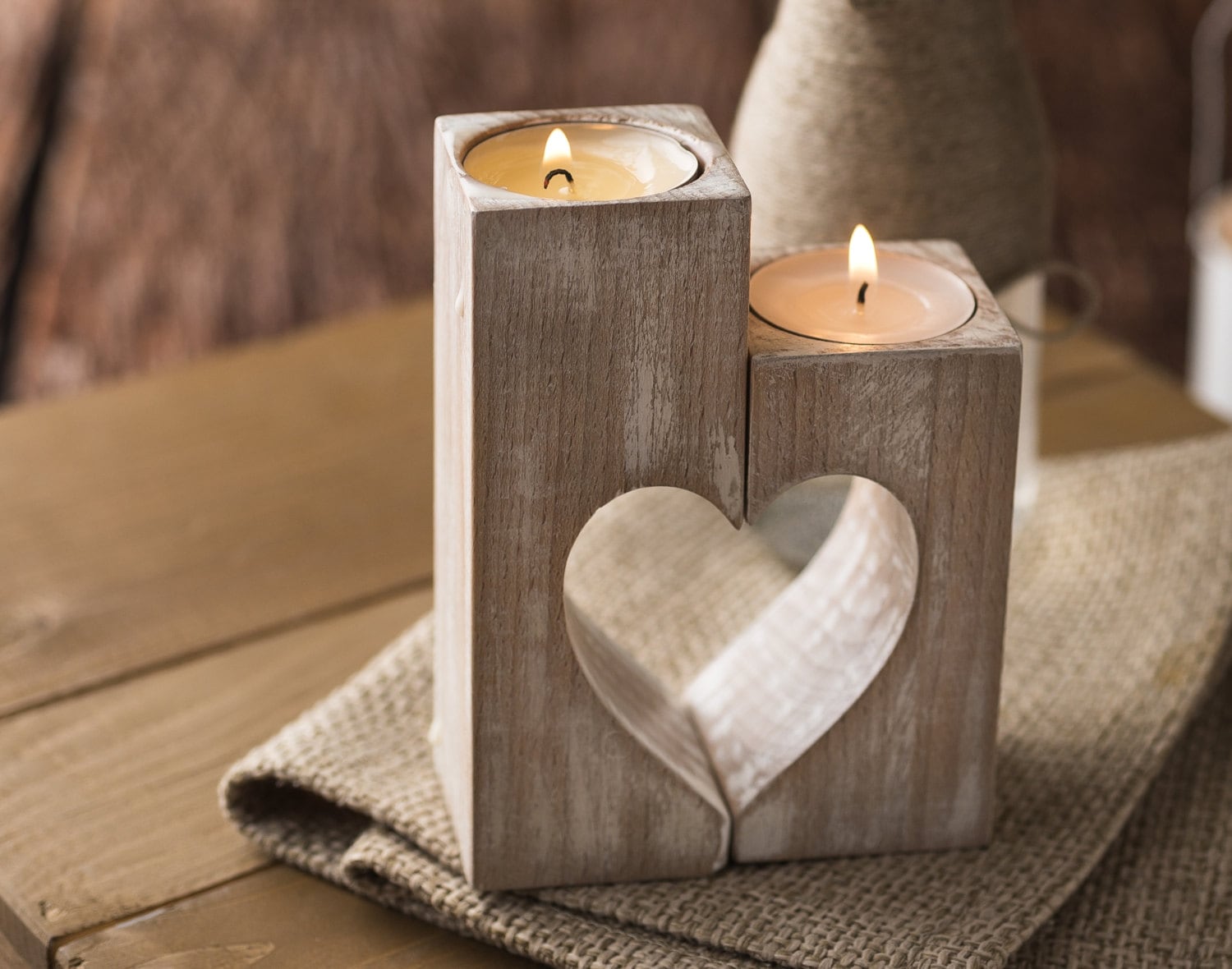
    Wooden Candle Holders: DIY Project Ideas for a Beautifully Lit Home

    Wooden Candle Holders: DIY Project Ideas for a Beautifully Lit Home

    Wooden Candle Holders: DIY Project Ideas for a Beautifully Lit Home

    Hey there, fellow candle enthusiasts! Are you looking for a way to add a touch of warmth and charm to your home décor? Look no further than DIY wooden candle holders! Not only are they a fantastic way to showcase your favorite candles, but they also provide a wonderful opportunity to unleash your creativity and personalize your space.

    From rustic farmhouse chic to modern minimalist, there are countless styles you can achieve with a few simple materials and tools. Let's dive into some inspiring DIY wooden candle holder project ideas that will leave your home feeling cozy and inviting.

    Simple and Chic Candle Holders

    For those who prefer a minimalist approach, simple wooden candle holders are a perfect starting point. You can use slices of wood, branches, or even reclaimed wood for a unique look.

    Wood Slice Candle Holders

    Wood slices are a beautiful and readily available material for candle holders. You can find them at craft stores, online, or even gather them yourself on a nature walk!

    To make a wood slice candle holder, simply drill a hole in the center of the slice slightly larger than the diameter of your candle. You can leave the bark on for a rustic look or sand it down for a smoother finish.

    Here's what you'll need:

    • Wood slices
    • Drill
    • Sandpaper (optional)
    • Wood stain or paint (optional)

    For a truly unique touch, you can add some embellishments to your wood slice candle holders. Try adding a few layers of paint, a stencil, or even a bit of twine to create a custom design.

    Branch Candle Holders

    If you love the look of natural elements, branch candle holders are a fantastic option. Gather some interesting branches from your yard or a nearby park, and get ready to create some rustic beauty.

    To make a branch candle holder, you'll need to cut the branches to your desired length and shape. You can then drill holes in the ends of the branches to hold the candles. You can use multiple branches together to create a unique and eye-catching display.

    Here's what you'll need:

    • Branches
    • Saw
    • Drill
    • Sandpaper (optional)
    • Wood stain or paint (optional)

    If you want to add a bit of extra flair, you can use a wood stain to give your branch candle holders a rich, natural finish. You can also use paint to create a more vibrant look.

    Rustic Candle Holders with a Touch of Charm

    For a cozy and inviting atmosphere, explore rustic candle holders. Think reclaimed wood, weathered wood, and vintage-inspired details.

    Reclaimed Wood Candle Holders

    Give old wooden pallets, planks, or even wooden crates a new life by transforming them into rustic candle holders. The imperfections and texture of reclaimed wood add a touch of history and character to your home decor.

    To make a reclaimed wood candle holder, simply cut the wood to your desired size and shape. You can then create grooves or holes to hold the candles.

    Here's what you'll need:

    • Reclaimed wood
    • Saw
    • Drill (optional)
    • Sandpaper
    • Wood stain or paint (optional)

    Let the natural beauty of the reclaimed wood shine through, or add a bit of color with a wood stain or paint. You can even use a stencil to add a decorative touch.

    Weather-Beaten Wood Candle Holders

    For a truly rustic feel, use weathered wood that has been exposed to the elements. The natural cracks and imperfections add a unique charm to the candle holders. You can use branches, driftwood, or even weathered fence posts.

    To make a weathered wood candle holder, simply drill a hole in the wood to hold the candle. You can also use multiple pieces of wood to create a more complex design.

    Here's what you'll need:

    • Weather-beaten wood
    • Drill
    • Sandpaper (optional)
    • Wood stain or paint (optional)

    You can leave the wood as is for a natural look, or you can add a wood stain to enhance the color and grain of the wood.

    Modern Wooden Candle Holders

    For a sleek and contemporary look, explore modern wooden candle holders. Think clean lines, geometric shapes, and minimalist designs.

    Geometric Wooden Candle Holders

    Geometric shapes, such as cubes, pyramids, or cylinders, add a modern touch to any space. You can use plywood, MDF, or even hardwood to create your geometric candle holders.

    To make a geometric candle holder, simply cut the wood into the desired shapes. You can then use a drill or a router to create a space for the candle.

    Here's what you'll need:

    • Plywood, MDF, or hardwood
    • Saw
    • Drill or router
    • Sandpaper
    • Wood stain or paint (optional)

    You can paint the geometric shapes in a single bold color or use a wood stain to create a natural look.

    Stacked Wooden Candle Holders

    For a modern and functional design, consider creating stacked wooden candle holders. Use different sizes and thicknesses of wood to create a visually appealing and unique design.

    To make a stacked wooden candle holder, cut the wood into different sizes and shapes. Then, simply stack the pieces of wood on top of each other, making sure that the candle is centered on the bottom piece.

    Here's what you'll need:

    • Wood of various sizes and thicknesses
    • Saw
    • Sandpaper
    • Wood glue (optional)
    • Wood stain or paint (optional)

    You can leave the wood as is or add a wood stain or paint to create a personalized look.

    Beyond the Basics: Adding a Touch of Personalization

    Once you've got the basics down, it's time to get creative and add your own personal touch to your DIY wooden candle holders. Here are a few ideas:

    • Engrave Designs: Add a personal touch with engraved designs. Use a wood burning tool, a rotary tool with an engraving bit, or even a simple craft knife to create personalized messages, patterns, or even your initials.
    • Paint or Stain: Get colorful! Experiment with different paint colors, wood stains, or even chalk paint. You can create a distressed look by applying paint and then sanding it back to reveal the wood underneath.
    • Add Metal Accents: Incorporate metal accents like brass or copper rings, metal strips, or even repurposed hardware to add a touch of sophistication.
    • Incorporate Natural Elements: Embellish your candle holders with natural elements like dried flowers, moss, or pine cones. These elements add a touch of organic beauty to your design.
    • Use Upcycled Materials: Upcycle old items like vintage picture frames, mason jars, or wooden boxes into unique and functional candle holders.

    Remember, DIY candle holders are all about expressing your creativity! Don't be afraid to experiment and try different techniques. Embrace the imperfections and create a collection of unique candle holders that reflect your personal style.

    So, gather your tools, grab some wood, and get ready to create a beautifully lit home with your own DIY wooden candle holders! Happy crafting!

    Share:

    Creative Wooden Candle Holder Ideas for Your Home Decor

    Creative Wooden Candle Holder Ideas for Your Home Decor

    Creative Wooden Candle Holder Ideas for Your Home Decor

    Hey there, fellow home décor enthusiast! Are you looking for a way to add a touch of warmth and charm to your space? Look no further than wooden candle holders! Wood is a timeless material that brings a sense of natural beauty and coziness to any room. And when you combine it with the flickering magic of candles, you create an ambiance that's simply irresistible. So, get ready to unleash your creativity and explore some awesome wooden candle holder ideas that will transform your home into a haven of style and comfort.

    Embrace the Rustic Charm

    Rustic wooden candle holders are all about embracing the beauty of natural imperfections. Think weathered wood with knots and cracks, or reclaimed wood that tells a story of its past life. These holders have a raw and authentic feel that adds character to any space.

    DIY Rustic Candle Holder

    For a personal touch, try creating your own rustic candle holder. Find a piece of driftwood or a weathered branch at your local craft store or on a nature walk. Simply drill holes into the wood to fit your candles and you're good to go!

    Tiered Wooden Candle Holders

    For a dramatic and visually interesting display, opt for a tiered wooden candle holder. These holders come in various sizes and styles, allowing you to create a layered effect that's both elegant and captivating.

    Wooden Candle Lanterns

    Wooden lanterns are a perfect way to add a touch of warmth and mystery to your space. The combination of wood and flickering candlelight creates a mesmerizing ambiance that's ideal for cozy evenings. You can choose from lanterns with intricate carvings, simple designs, or even ones with glass panels to showcase the flame.

    Modern Wooden Candle Holders

    Don't think that wooden candle holders are only for rustic décor. Modern designs are also available, featuring sleek lines, geometric shapes, and minimalist aesthetics. These holders add a touch of sophistication and elegance to contemporary interiors.

    Minimalist Wooden Candle Holders

    For a clean and uncluttered look, go for minimalist wooden candle holders. These holders are usually made of smooth, polished wood and feature simple designs that let the candlelight take center stage.

    Geometric Wooden Candle Holders

    Geometric shapes are a popular trend in modern design, and wooden candle holders are no exception. These holders feature triangles, squares, circles, and other geometric shapes that add a modern twist to your décor.

    Painted Wooden Candle Holders

    Give your wooden candle holders a personal touch by painting them with vibrant colors or adding unique patterns. This is a great way to express your creativity and add a pop of personality to your space.

    Creative Ideas to Enhance Your Wooden Candle Holders

    Once you've chosen your wooden candle holders, it's time to get creative and make them truly unique!

    Add Some Greenery

    Surround your wooden candle holders with greenery to create a natural and inviting atmosphere. Place small succulents, ferns, or sprigs of eucalyptus around the base of the holders. You can also use moss or dried flowers for a more rustic look.

    Incorporate Crystals

    For a touch of mysticism and beauty, add crystals to your wooden candle holder arrangement. Place crystals like amethyst, rose quartz, or clear quartz around the base of the holders. This creates a beautiful and energizing display.

    Use Candles with Different Scents

    Enhance the ambiance of your wooden candle holders by using candles with different scents. Choose scents that complement the overall aesthetic of your space and create a cozy and inviting atmosphere. For example, try a warm vanilla scent for a living room or a citrusy scent for a bathroom.

    Tips for Choosing and Maintaining Your Wooden Candle Holders

    To ensure that your wooden candle holders last for years to come, here are a few tips:

  • Choose holders made from high-quality wood that's been treated to resist moisture and heat.
  • Avoid using candles that produce a lot of soot, as this can stain the wood.
  • Clean your wooden candle holders regularly with a soft cloth and mild soap.
  • Store your holders in a dry place when not in use to prevent warping or damage.
  • Conclusion

    Wooden candle holders are a fantastic way to add warmth, charm, and personality to your home décor. From rustic to modern, the possibilities are endless! So go ahead, get creative, and let the flickering magic of candlelight transform your space into a haven of beauty and comfort. And don't forget to have fun with it!

    Share:

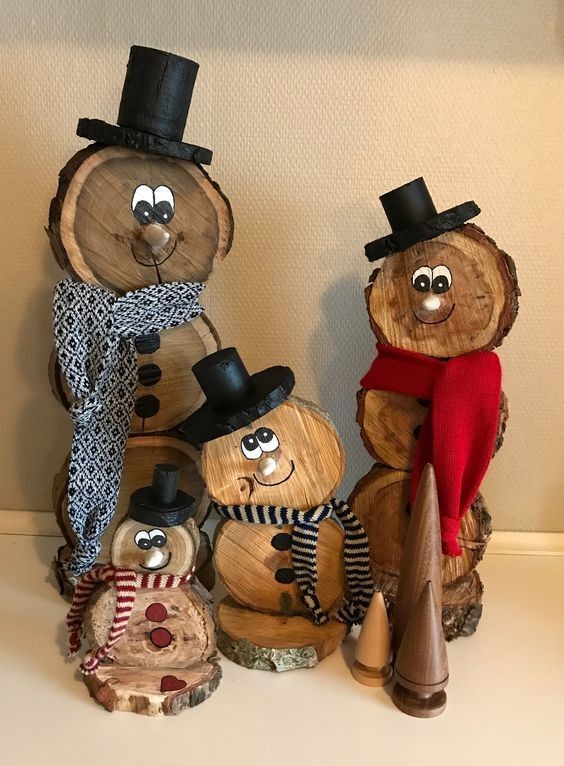
    Wooden Snowman Craft for a Festive Display

    Wooden Snowman Craft for a Festive Display

    Crafting a Festive Wooden Snowman

    Embrace the magic of the holiday season with a charming wooden snowman craft! This delightful project is perfect for adding a touch of rustic charm to your festive decor. It's a wonderful activity for families, friends, or anyone looking for a fun and creative way to celebrate. Let's gather our supplies and embark on this festive crafting journey!

    Materials You'll Need

    Before we dive into the crafting process, let's gather the essential materials. These are readily available at most craft stores or online:

    • Wooden circles of varying sizes (for the snowman's body)
    • Wooden dowel rod (for the snowman's arms)
    • Wooden beads (for the snowman's buttons)
    • Acrylic paint (black, white, orange, and brown)
    • Paintbrushes
    • Hot glue gun and glue sticks
    • Twine or ribbon (for hanging)
    • Optional: Felt or fabric scraps (for a hat and scarf)
    • Optional: Googly eyes

    Crafting a Charming Snowman

    Now that we have our materials ready, let's begin the crafting process! Follow these steps to create your very own wooden snowman:

    Step 1: Assemble the Snowman's Body

    Start by arranging the wooden circles to form the snowman's body. Glue the largest circle to the bottom, followed by the medium-sized circle, and finally, the smallest circle on top. Allow the glue to set completely before proceeding.

    Step 2: Paint the Snowman

    Paint the entire snowman white using your acrylic paint and a brush. Let the paint dry thoroughly before moving to the next step. Once the white paint has dried, paint the snowman's face, buttons, and arms with black paint.

    Step 3: Add Festive Details

    Now, it's time to add some festive details! Paint the snowman's nose orange. You can also add googly eyes or draw them on with black paint. Attach the wooden beads to the snowman's body as buttons using hot glue. Cut two pieces of the wooden dowel rod to the desired length for the snowman's arms and attach them to the sides of the snowman's body using hot glue.

    Step 4: Create a Scarf and Hat (Optional)

    For a charming touch, create a scarf and hat for your snowman. You can cut out these accessories from felt or fabric scraps. Attach the scarf to the snowman's neck using hot glue. If making a hat, glue it to the top of the snowman's head.

    Step 5: Hang Your Snowman

    To complete your snowman, tie a piece of twine or ribbon around the top of the snowman's head. This allows you to hang it on a tree, wall, or any other desired location in your festive display.

    Finishing Touches

    Your charming wooden snowman is now ready to add a touch of festive joy to your home. Feel free to personalize it further with glitter, sequins, or other embellishments that spark your creativity. You can even create an entire snowman family by making multiple snowmen of different sizes and adding unique details to each one. Let your imagination soar and enjoy the heartwarming process of crafting!

    Share:

    Thursday, November 14, 2024

    DIY Wood Decor Items for Sale: Quick and Easy Projects

    DIY Wood Decor Items for Sale: Quick and Easy Projects

    DIY Wood Decor Items for Sale: Quick and Easy Projects

    In the realm of crafting and home decor, wood possesses an enduring allure. Its natural beauty, versatility, and affordability make it a prime material for crafting unique and charming pieces. This article will delve into a collection of DIY wood decor items that are not only quick and easy to create but also hold immense potential for sale, allowing you to tap into a thriving market for handcrafted goods.

    Wooden Signs

    Wooden signs are a staple in home decor, adding a touch of rustic charm and personalization to any space. Their versatility extends to various styles, themes, and occasions, making them highly marketable. From simple welcome signs to inspirational quotes, the possibilities are endless.

    Materials and Tools

    • Wooden board (various sizes available at craft stores)
    • Sandpaper (fine grit)
    • Paint (acrylic or chalk paint)
    • Paintbrushes
    • Stencil (optional)
    • Vinyl lettering (optional)
    • Wood stain (optional)
    • Polyurethane sealant (optional)

    Instructions

    1. Sand the wooden board to create a smooth surface.
    2. Apply a coat of paint to the board, using a stencil or vinyl lettering for specific designs.
    3. Alternatively, stain the wood for a rustic finish.
    4. Allow the paint or stain to dry completely.
    5. Apply a coat of polyurethane sealant to protect the finish.
    6. Add any decorative elements, such as ribbon or twine.

    Wooden Coasters

    Wooden coasters are practical and stylish additions to any coffee table or desk. They provide protection from spills and scratches, while also adding a touch of warmth and character to the surrounding decor.

    Materials and Tools

    • Wood slices (available at craft stores)
    • Sandpaper (fine grit)
    • Wood stain (optional)
    • Polyurethane sealant (optional)
    • Cork sheet (for backing)
    • Craft glue

    Instructions

    1. Sand the wood slices to create a smooth surface.
    2. Stain the wood slices, if desired.
    3. Cut pieces of cork sheet to fit the size of the wood slices.
    4. Apply a thin layer of craft glue to the back of each wood slice.
    5. Attach the cork sheet to the back of the wood slice.
    6. Allow the glue to dry completely.
    7. Apply a coat of polyurethane sealant to protect the finish.

    Wooden Jewelry Hangers

    Wooden jewelry hangers are a practical and aesthetically pleasing way to organize and display jewelry collections. Their rustic charm complements a variety of home decor styles and offers a unique and personalized touch.

    Materials and Tools

    • Wooden branch (various sizes and shapes available at craft stores)
    • Sandpaper (fine grit)
    • Wood stain (optional)
    • Polyurethane sealant (optional)
    • Screws or nails (for mounting)
    • Hooks (for hanging jewelry)
    • Drill (optional)

    Instructions

    1. Sand the wooden branch to create a smooth surface.
    2. Stain the branch, if desired.
    3. Drill holes into the branch and insert hooks for hanging jewelry.
    4. Attach the branch to a wall using screws or nails.
    5. Apply a coat of polyurethane sealant to protect the finish.

    Wooden Picture Frames

    Wooden picture frames are a classic and timeless way to display cherished photographs or artwork. They add a touch of warmth and elegance to any room, and their versatility allows for customization with various finishes and embellishments.

    Materials and Tools

    • Wooden picture frame (various sizes and styles available at craft stores)
    • Sandpaper (fine grit)
    • Paint (acrylic or chalk paint)
    • Paintbrushes
    • Wood stain (optional)
    • Polyurethane sealant (optional)
    • Decorative elements (such as ribbon, twine, or beads)

    Instructions

    1. Sand the picture frame to create a smooth surface.
    2. Paint or stain the frame, depending on the desired finish.
    3. Allow the paint or stain to dry completely.
    4. Add any decorative elements to enhance the frame's design.
    5. Apply a coat of polyurethane sealant to protect the finish.

    Wooden Serving Trays

    Wooden serving trays are a versatile addition to any home, perfect for serving snacks, drinks, or even displaying decorative items. Their natural beauty and durability make them both functional and stylish.

    Materials and Tools

    • Wooden board (various sizes available at craft stores)
    • Sandpaper (fine grit)
    • Wood stain (optional)
    • Polyurethane sealant (optional)
    • Handles (optional)
    • Wood glue

    Instructions

    1. Sand the wooden board to create a smooth surface.
    2. Stain the board, if desired.
    3. If using handles, attach them to the board using wood glue.
    4. Allow the glue to dry completely.
    5. Apply a coat of polyurethane sealant to protect the finish.

    Marketing Your DIY Wood Decor

    Once you've crafted your DIY wood decor items, it's time to market them to potential buyers. Here are some effective strategies:

    • Online Marketplaces: Platforms like Etsy, Amazon Handmade, and Shopify provide a global reach and a dedicated audience for handcrafted goods.
    • Social Media: Instagram, Pinterest, and Facebook offer excellent opportunities to showcase your work, connect with potential customers, and build your brand.
    • Local Craft Fairs and Markets: Participate in local events to interact with customers directly and generate sales.
    • Collaborations: Partner with local businesses, such as home decor stores, to display and sell your products.
    • Website: Create a professional website to showcase your portfolio, pricing information, and contact details.

    By embracing the art of DIY wood decor, you can create unique and marketable pieces that appeal to a wide range of customers. With a little creativity and effort, you can turn your passion for woodworking into a successful business venture.

    Share:

    How to Design and Build a Custom Wine Rack

    How to Design and Build a Custom Wine Rack

    Design and Build Your Own Custom Wine Rack

    Tired of your wine bottles cluttering up your countertops or taking up precious space in your cabinets? Building a custom wine rack is a fantastic way to organize your collection and add a stylish touch to your home. Whether you're a seasoned DIYer or just starting out, this guide will walk you through the process of designing and building your own unique wine rack.

    Step 1: Design and Planning

    The first step is to envision your ideal wine rack and plan accordingly. Consider the following:

    1. Size and Shape

    Determine the dimensions of your wine rack based on the available space and the size of your collection. You can choose from various shapes, including rectangular, circular, or even a tiered design for a more dynamic look.

    2. Material Selection

    Choose a material that complements your existing decor and meets your needs. Popular options include:

    • Wood: Offers a classic look and can be stained or painted to match your preference.
    • Metal: Provides a modern and industrial vibe. Consider steel, iron, or aluminum.
    • Acrylic: Offers a sleek and transparent design, allowing you to showcase your wine bottles.

    3. Style and Features

    Think about the style and features you want to incorporate. Do you prefer a simple design or something more intricate? Do you want to include additional features like bottle holders for glasses or a storage area for wine accessories?

    Step 2: Gathering Materials and Tools

    Once you've finalized your design, gather the necessary materials and tools. This will vary based on your chosen material and design. Here's a general list for a wooden wine rack:

    • Wood: Depending on your design, you may need different types of wood for the base, shelves, and dividers. Consider using hardwood for durability and aesthetic appeal.
    • Cuttings: Use a saw, preferably a table saw or miter saw, to make precise cuts for the wood pieces.
    • Joinery: Select a method for joining the wood pieces, such as glue, screws, or dowels. Consider using a drill and appropriate drill bits.
    • Finishing: If you're using wood, you'll need stain or paint to achieve your desired finish. Additionally, consider using wood sealer for protection.
    • Other tools: You may also need measuring tape, pencil, level, sandpaper, and clamps for assembly.

    Step 3: Building the Wine Rack

    Now comes the fun partâ€"building your wine rack! Follow these steps:

    1. Cutting and Preparing the Wood

    Using your chosen method, cut the wood to the exact dimensions specified in your design. Make sure the cuts are precise for a clean and professional finish. Smooth out any rough edges with sandpaper.

    2. Assembling the Rack

    Assemble the different pieces of wood according to your design. If you're using glue, apply it to the joints and clamp the pieces together until the glue dries. If you're using screws or dowels, drill pilot holes before inserting them to prevent the wood from splitting.

    3. Finishing Touches

    Once the rack is fully assembled, finish it according to your preference. Sand the entire surface to create a smooth finish, then apply stain, paint, or a sealant, depending on your chosen material. Let the finish dry completely before handling or placing wine bottles.

    Step 4: Enjoying Your Custom Wine Rack

    Congratulations! You've successfully built your own custom wine rack. Now, fill it with your favorite bottles and enjoy the satisfaction of a DIY project well done. Remember, a wine rack is not just about storage; it's also a statement piece that reflects your personality and style.

    Share:

    Creative DIY Wooden Candle Holders for Your Bedroom or Entryway

    Creative DIY Wooden Candle Holders for Your Bedroom or Entryway

    Creative DIY Wooden Candle Holders for Your Bedroom or Entryway

    Candlelight has a magical ability to transform any space, creating a warm and inviting ambiance. Whether you're setting the mood for a relaxing evening in your bedroom or welcoming guests to your entryway, a well-crafted candle holder can elevate the overall aesthetic. Instead of purchasing expensive decorative pieces, why not embrace the DIY spirit and create your own unique wooden candle holders? This guide will explore a range of creative and easy-to-follow projects, allowing you to personalize your home with handcrafted charm.

    Rustic Charm: The Stacked Log Candle Holder

    This project is a perfect example of how simple materials can create stunning results. Gather a few logs of varying sizes and lengths, preferably with natural bark intact. The rough texture of the wood adds a touch of rustic elegance to the design.

    Materials:

  • Logs of varying sizes and lengths
  • Wood glue
  • Sandpaper (optional)
  • Clear sealant (optional)
  • Candles (choose sizes that fit within the logs)
  • Instructions:

    1. Clean and prepare the logs: Brush off any debris and lightly sand the surfaces if desired to create a smoother finish.
    2. Stack the logs: Choose a stable base log and carefully arrange other logs on top, creating a tower-like structure. Experiment with different arrangements to find the perfect visual balance.
    3. Secure the stack: Apply wood glue generously to the contact points between the logs, ensuring a strong bond. Allow the glue to dry completely.
    4. Finish (optional): For added protection and a polished look, apply a clear sealant to the entire structure. Let it dry thoroughly before placing candles.
    5. Place the candles: Carefully position your candles within the log compartments, ensuring a secure fit and adequate ventilation.

    This DIY candle holder is ideal for a farmhouse or rustic-themed décor. You can customize the height and shape of the stack to match your personal preferences.

    Modern Minimalism: The Floating Wooden Disc Candle Holder

    If your style leans towards a more minimalist approach, this project offers a clean and contemporary aesthetic. It features a simple wooden disc with a cutout for the candle, allowing the flame to dance effortlessly in the air.

    Materials:

  • Wooden disc (size depends on your desired candle size)
  • Jigsaw or coping saw
  • Sandpaper
  • Clear sealant (optional)
  • Candle (ensure it fits the cutout)
  • Instructions:

    1. Measure and mark the disc: Determine the size of your candle and mark out a circular cutout on the wooden disc that is slightly larger than the candle base. You can add a decorative design around the cutout if you prefer.
    2. Cut the disc: Using a jigsaw or coping saw, carefully cut out the circular shape following your markings. Ensure the edges are smooth and free of splinters.
    3. Sand the disc: Lightly sand the entire surface of the disc, including the edges of the cutout, to create a smooth finish. Remove any dust or debris.
    4. Finish (optional): For a protective layer, apply a clear sealant to the disc. Allow it to dry completely.
    5. Place the candle: Gently insert the candle into the cutout, ensuring it sits securely.

    This minimalist candle holder works beautifully in a variety of settings, from a modern bedroom to a sleek entryway. You can even personalize it further by staining the wood in different colors or adding a subtle touch of metallic paint.

    Industrial Chic: The Pipe Fitting Candle Holder

    For a touch of industrial charm, consider repurposing old pipe fittings to create a unique candle holder. This project offers a blend of functionality and edgy style.

    Materials:

  • Metal pipe fittings (various sizes and shapes)
  • Thread sealant tape
  • Metalworking tools (for connecting fittings)
  • Sandpaper
  • Rust-resistant paint (optional)
  • Candle (size to fit within the chosen fitting)
  • Instructions:

    1. Clean and prepare the fittings: Remove any dirt, grime, or rust from the fittings using a wire brush or sandpaper. If desired, apply rust-resistant paint for added protection.
    2. Connect the fittings: Assemble the pipe fittings in a design that appeals to you. Use thread sealant tape to ensure a secure and leak-proof connection.
    3. Sand the fittings (optional): Lightly sand the assembled piece to create a smoother finish and soften the industrial look.
    4. Place the candle: Carefully position your candle within the chosen pipe fitting, ensuring it fits securely and is well-ventilated.

    This DIY candle holder adds a touch of industrial sophistication to any space. You can experiment with different pipe fittings, sizes, and colors to create a personalized piece that reflects your unique style.

    Enchanted Forest: The Branch Candle Holder

    Bring the beauty of nature indoors with this whimsical branch candle holder. Gather fallen branches from your backyard or a nearby park to create a charming and organic design.

    Materials:

  • Branches of varying thicknesses and lengths
  • Wood glue
  • Sandpaper (optional)
  • Clear sealant (optional)
  • Candles (choose sizes that fit the branch diameters)
  • Instructions:

    1. Clean and prepare the branches: Remove any loose bark or debris from the branches. You can choose to leave the natural texture as is or lightly sand the surface for a smoother finish.
    2. Arrange the branches: Choose a stable base branch and begin arranging other branches on top, creating a whimsical and asymmetrical design. Allow the branches to overlap for a more natural look.
    3. Secure the branches: Apply wood glue to the contact points between the branches, ensuring a strong bond. Allow the glue to dry completely.
    4. Finish (optional): For added protection and a polished look, apply a clear sealant to the entire structure. Let it dry thoroughly before placing candles.
    5. Place the candles: Carefully position your candles within the branches, ensuring a secure fit and adequate ventilation.

    This whimsical candle holder adds a touch of magic and enchantment to any room. You can experiment with different branch shapes and sizes to create a truly unique and personal piece.

    Tips for Creating Stunning Wooden Candle Holders:

    No matter which project you choose, remember these essential tips to ensure your DIY wooden candle holders are safe and beautiful:

  • Choose the right wood: Select wood that is sturdy and will hold the weight of the candles. Hardwoods like oak, maple, or walnut are excellent choices. Avoid using softwoods that are prone to warping or cracking.
  • Sand carefully: Always sand your wood before and after applying sealant or paint. This creates a smooth finish and prevents splinters.
  • Use appropriate glue: Wood glue is ideal for bonding wood pieces together. Ensure the glue is suitable for both indoor and outdoor use, depending on the placement of your candle holder.
  • Protect your project: Apply a clear sealant or varnish to protect your candle holder from moisture, scratches, and stains. This will also enhance the natural beauty of the wood.
  • Safety first: Always place your candles on a heat-resistant surface and never leave them unattended. Keep candles away from flammable materials and curtains.
  • With a little creativity and these DIY projects, you can transform ordinary wood into extraordinary candle holders that add a touch of warmth and personality to your bedroom or entryway. Enjoy the process of crafting your own unique pieces and the satisfaction of illuminating your home with the soft glow of candlelight.

    Share:

    How to Build a Wooden Bench with a Farmhouse or Industrial Style

    How to Build a Wooden Bench with a Farmhouse or Industrial Style

    Building a Farmhouse or Industrial Style Wooden Bench: A Comprehensive Guide

    A wooden bench is a versatile piece of furniture that can enhance any space, from a cozy living room to a welcoming porch. This guide provides a comprehensive breakdown of how to build a wooden bench with either a rustic farmhouse or a sleek industrial style. By following these steps, you can craft a custom piece that reflects your personal taste and complements your existing decor.

    Choosing Your Style: Farmhouse vs. Industrial

    The first step is to decide on the overall aesthetic for your bench. While both farmhouse and industrial styles offer a unique charm, their distinct characteristics will influence your material choices and design elements.

    Farmhouse Style Bench

    A farmhouse style bench evokes a sense of warmth and comfort. It often features:

    • Natural Wood Finishes: Unpainted or lightly stained wood allows the natural grain patterns to shine through.
    • Distressed Wood: Reclaimed or distressed wood adds a touch of rustic charm.
    • Simple Design: Clean lines and minimal embellishments are key.
    • Rustic Hardware: Black or galvanized metal brackets, screws, and hinges are common elements.

    Industrial Style Bench

    An industrial style bench exudes a modern, urban vibe. It typically incorporates:

    • Metal Accents: Steel, iron, or exposed piping adds a contemporary feel.
    • Dark Stains: Rich, dark wood stains create a bold contrast with metal accents.
    • Geometric Shapes: Straight lines and sharp angles are prevalent.
    • Bold Hardware: Exposed bolts, rivets, and heavy-duty hinges enhance the industrial aesthetic.

    Materials and Tools

    Once you've settled on a style, gather the necessary materials and tools. Here's a comprehensive list:

    Materials

    • Lumber: 2x4s, 2x6s, or 2x8s for the frame, depending on the desired bench size and strength.
    • Plywood or Solid Wood Boards: For the seat and backrest, depending on your preference.
    • Metal Brackets or Legs: For an industrial style, consider using steel or iron brackets or pipe legs. For a farmhouse style, galvanized metal brackets or wooden legs are suitable.
    • Hardware: Screws, nails, bolts, nuts, washers, hinges (for a backrest), and other fasteners.
    • Wood Stain or Paint: Choose a finish that complements your chosen style.
    • Sandpaper: Various grits for sanding the wood.
    • Wood Filler: To fill any imperfections in the wood.
    • Protective Finish: Polyurethane or varnish to seal and protect the wood.

    Tools

    • Circular Saw or Miter Saw: To cut lumber to size.
    • Drill: For driving screws and pilot holes.
    • Measuring Tape and Level: For accurate measurements and straight cuts.
    • Clamps: To hold pieces together during assembly.
    • Safety Glasses and Ear Protection: For eye and ear protection.
    • Sanding Block or Sander: For smoothing the wood.
    • Paintbrush or Roller: For applying stain or paint.

    Building the Bench Frame

    Start by constructing the sturdy foundation of your bench:

    Cutting the Lumber

    1. Measure and cut: Based on your desired bench dimensions, carefully measure and cut the lumber for the frame using a saw. Remember to account for the thickness of the wood when determining the overall dimensions.
    2. Smooth the edges: Sand all cut edges with sandpaper to prevent splinters and ensure a smooth finish.

    Assembling the Frame

    1. Create the base: For a traditional bench, construct a rectangular frame using two long pieces for the sides and two shorter pieces for the ends. Join these pieces together using wood glue and screws. For a more elaborate design, consider adding additional supports to enhance stability.
    2. Add the legs or brackets: Attach the metal brackets or wooden legs to the base frame, ensuring they are securely fastened. The placement of the legs or brackets will determine the overall height of the bench.
    3. Check for stability: Once the frame is assembled, double-check for stability and adjust as necessary.

    Creating the Seat and Backrest

    The seat and backrest are the defining features of your bench. Here's how to build them:

    Seat Construction

    1. Choose your material: You can opt for solid wood planks, plywood, or even repurposed materials like pallet wood for a unique look. Ensure the chosen material is strong enough to support weight.
    2. Measure and cut: Carefully measure the length and width of the seat and cut the material accordingly. Leave a slight overhang for a more comfortable seating experience.
    3. Attach the seat: Secure the seat to the frame using screws or nails. For a sturdy attachment, predrill pilot holes before driving in the fasteners. Consider using wood glue for additional bonding strength.

    Backrest Construction (Optional)

    1. Design your backrest: You can choose a simple straight backrest or opt for a curved design for added comfort. A backrest is particularly useful for a longer bench.
    2. Create the backrest frame: Use lumber or plywood to construct the desired backrest shape. Ensure it's secured with screws or nails to the frame.
    3. Attach the backrest panel: Similar to the seat, attach the backrest panel to the frame using screws or nails. For a more seamless look, use a hidden hinge system.

    Finishing Touches

    Once your bench is assembled, it's time to add the finishing touches that will give it character and personality.

    Sanding and Preparing for Finish

    1. Smooth the surfaces: Thoroughly sand all surfaces with sandpaper, progressing through different grits for a smooth and even finish.
    2. Fill imperfections: If necessary, use wood filler to fill any holes, cracks, or imperfections in the wood. Allow the filler to dry completely before sanding it smooth.

    Applying Stain or Paint

    1. Choose your finish: Select a wood stain or paint that complements your chosen style. For a farmhouse style, consider a natural wood stain or a light-colored paint. For an industrial style, opt for a dark wood stain or a metallic paint.
    2. Apply the finish: Follow the manufacturer's instructions for applying the stain or paint. Use a brush or roller for even coverage. Allow the finish to dry completely before applying a second coat if desired.

    Protecting the Finish

    1. Apply a sealant: Apply a protective finish like polyurethane or varnish to seal and protect the wood from spills, stains, and wear and tear. Follow the manufacturer's instructions for application and drying time.

    Additional Tips and Design Ideas

    Here are some additional tips and design ideas to customize your bench:

    • Upcycle Materials: Consider using reclaimed wood, pallet wood, or even old doors to create a unique and eco-friendly bench.
    • Add Cushions: Add comfort and style by using fabric cushions or seat pads.
    • Decorate with Metal Accents: For an industrial style, incorporate metal accents like pipes, bolts, or rivets into the design. For a farmhouse style, use rustic metal brackets or handles.
    • Add Storage: Create a storage bench by incorporating shelves or drawers underneath the seat.

    Conclusion

    Building a wooden bench with a farmhouse or industrial style is a rewarding project that allows you to express your creativity and create a custom piece that complements your home. By following these detailed steps, you can craft a beautiful and functional bench that will be a treasured part of your home for years to come. Remember, with some patience, care, and attention to detail, you can transform your vision into a stunning reality.

    Share:

    Search This Blog

    Powered by Blogger.

    Pages